Have you ever abandoned a diet plan because you simply felt too hungry to continue? You try to eat fewer calories to drop a few pounds, but your stomach protests loudly by mid-afternoon. Low calorie high volume foods solve this biological problem completely and effectively by prioritizing satiety over caloric density.
These foods let you fill your plate and your stomach without exceeding your daily energy limits. They use heavy water and thick fiber to physically stretch your delicate stomach lining. This stretching action signals your human brain that you are completely full and physically satisfied with your meal.
You can eat massive portions of these foods while easily maintaining a necessary calorie deficit for weight loss. This approach transforms weight management from a painful struggle into a highly sustainable lifestyle habit. The high water content keeps your physical body hydrated while the fiber supports excellent digestive health and metabolic function.
The Science of Volume Eating: How Low Calorie High Volume Foods Work
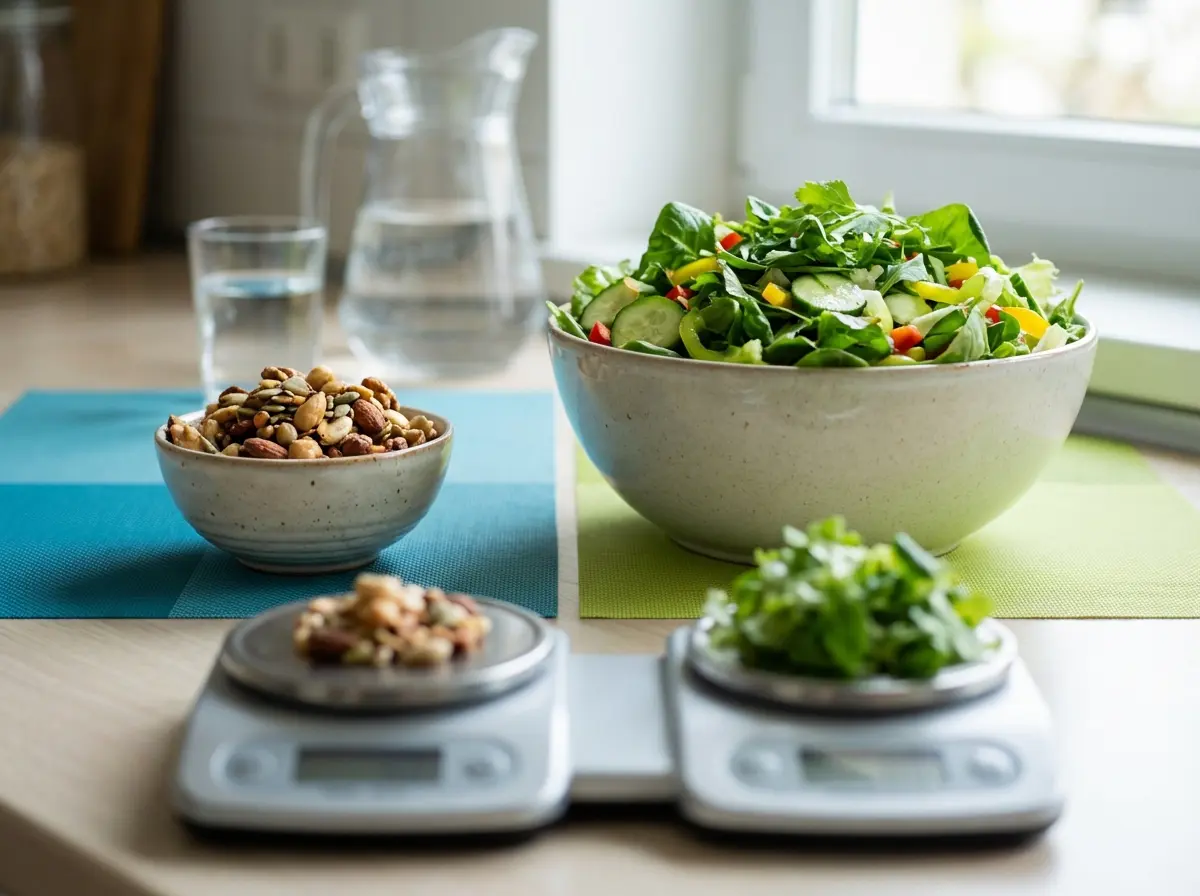
Your stomach relies on physical stretch receptors to determine when you have eaten enough food for the day. When food presses against your stomach walls, these specific receptors send satiety signals directly to your brain. High calorie dense foods like cooking oil or milk chocolate barely trigger these receptors before hitting your daily calorie limits.
Low calorie high volume foods contain significant amounts of water and fiber to activate these receptors very early. The average American consumes about three to four pounds of food per day regardless of the total calorie content. You can naturally decrease your caloric intake by choosing foods that weigh more but contain fewer actual calories, a core principle of volume eating.
Dietary fiber acts like a physical sponge inside your digestive tract during the active digestion process. It absorbs water and expands significantly, which slows down the rate at which food leaves your human stomach. This delayed gastric emptying keeps you feeling physically full for several hours after you finish your meal.
- Stretch receptors in your stomach dictate your feelings of physical fullness.
- Water and dietary fiber add physical weight to food without adding calories.
- Delayed gastric emptying keeps you satisfied for hours after eating.
Top Low Calorie High Volume Foods: Best Vegetables for Weight Loss
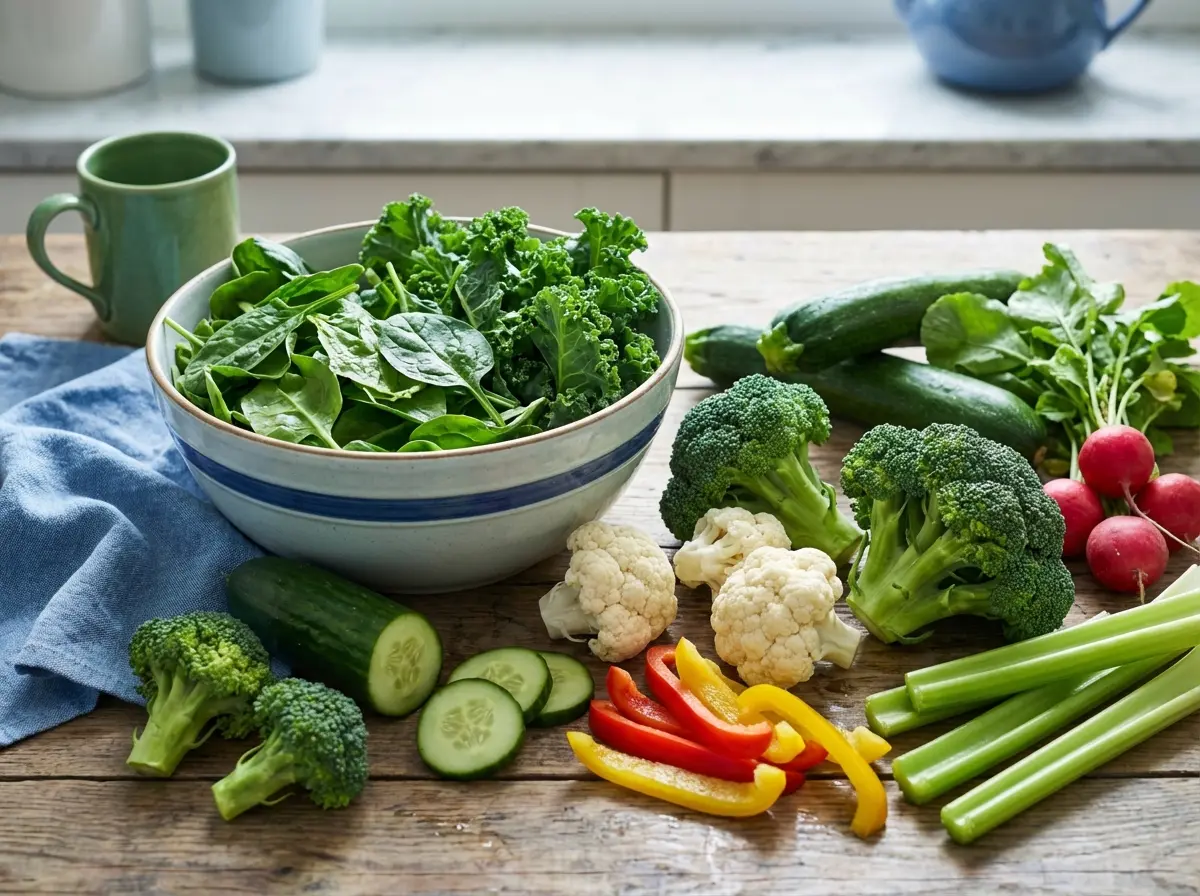
Vegetables should form the absolute foundation of any volume eating strategy due to their exceptional water content and low calorie density. They deliver essential micronutrients while taking up massive amounts of physical space on your dining plate. You can easily double the size of your daily meals by strategically adding the right vegetable varieties.
Low Calorie Leafy Greens and Cruciferous Powerhouses
Spinach, fresh kale, and iceberg lettuce consist of roughly ninety percent water by their overall physical weight. You can eat six entire cups of raw spinach for a mere forty calories of total energy. Cauliflower and fresh broccoli provide slightly more calories but offer a much denser, more satisfying crunch and higher fiber content.
Riced cauliflower serves as an excellent high volume substitute for traditional carbohydrate sources like cooked white rice. You can mix equal parts of regular rice and cauliflower rice to double your portion size instantly. This simple vegetable swap cuts the total calories in half while maintaining the familiar texture of your meal.
Hydrating High-Water Vegetables for Satiety and Weight Loss
Zucchini and fresh cucumbers represent two of the most efficient volume foods available in the supermarket today. A medium zucchini contains roughly thirty calories but provides enough physical bulk to replace a serving of pasta. Celery requires more physical energy to chew and digest than it actually provides to your human body.
You can snack on these water-rich vegetables all afternoon without impacting your daily energy balance whatsoever. Bell peppers offer a sweet crunch while providing massive amounts of vitamin C and physical dietary volume. Cherry tomatoes burst with flavor and water, making them perfect additions to any large volume salad bowl.
Spiralize fresh zucchini or yellow squash to replace traditional pasta noodles in your favorite heavy Italian dishes. You will save hundreds of calories while eating a physically larger portion of satisfying food.
Low Calorie High Volume Foods: Best Fruit Choices for Your Plate
Do you avoid eating fresh fruit because you fear the natural sugars will stop your progress? Certain fruits actually provide incredible physical volume and dietary fiber to keep your sweet cravings completely satisfied. You simply need to choose specific varieties that prioritize water content over dense carbohydrate concentrations.
Low Calorie Antioxidant-Rich Berries as a Volume Eating Hack
Fresh strawberries stand out as an absolute powerhouse for people trying to maximize their physical food volume. One full pound of fresh strawberries contains only one hundred and fifty total calories of energy. Blackberries and fresh raspberries pack massive amounts of dietary fiber that slow down your entire digestive process.
This delayed digestion keeps your blood sugar incredibly stable and prevents sudden hunger crashes between your regular meals. You can add two full cups of mixed berries to your morning oatmeal for a massive portion increase. The tart flavor profiles also help satisfy your desire for sugary desserts after eating a savory dinner.
Refreshing High Volume Melons and Citrus for Satiety
Watermelon completely lives up to its name by offering a massive volume-to-calorie ratio for hungry dieters everywhere. Two whole cups of diced watermelon provide fewer than ninety calories and excellent daily hydration benefits. Cantaloupe and honeydew melon offer similar physical benefits while providing essential vitamins and vital dietary minerals.
Grapefruit and large oranges also deliver substantial volume, though you must eat them whole rather than drinking their juice. The mechanical juicing process removes all the beneficial dietary fiber and leaves you with highly concentrated liquid calories. Eating a whole orange forces you to chew the fibrous segments, which increases your overall psychological satisfaction.
Lean Proteins and Smart Carbohydrates for a Volume Eating Plan
Protein and carbohydrates usually pack far more calories per gram than fresh fruits or raw vegetables. You can still find specific options within these macronutrient categories that provide excellent physical dietary volume. Making smart dietary swaps here prevents your meals from feeling like a giant bowl of raw rabbit food.
Low Calorie Satiating and Expanding Proteins
Liquid egg whites offer one of the most remarkable protein-to-calorie ratios in the entire human diet. You can eat an enormous fluffy omelet made from a cup of egg whites for just over one hundred calories. Greek yogurt provides a thick, heavy texture that feels incredibly decadent despite being relatively low in overall calories.
Whipping your protein powders with crushed ice and xanthan gum creates massive protein fluffs that take hours to eat. White fish like cod or tilapia provide large physical portions of protein for far fewer calories than fatty beef. Cottage cheese delivers slow-digesting casein protein and significant physical volume to keep you full throughout the night.
High Volume Carbohydrates: Smart Ways to Fluff Up Your Carbs
Air-popped popcorn reigns supreme as the ultimate high volume carbohydrate snack for late evening movie nights. Three entire cups of plain popcorn contain fewer calories than a tiny handful of greasy potato chips. Puffed kamut and puffed rice cereals offer similar physical benefits for your standard morning breakfast routine.
These puffed grains trap atmospheric air inside their physical structure to take up more space in your cereal bowl. Boiled potatoes rank highest on the official satiety index because their resistant starch physically fills your stomach. You can eat a massive bowl of roasted potato wedges for the exact same calories as a small hamburger bun.
The Psychological Benefits of Large Portions and Low Calorie High Volume Foods
Why do so many people struggle with the mental aspects of traditional calorie restriction diets? Staring at a tiny portion of calorie-dense food often triggers feelings of severe deprivation and eventual binge eating. Low calorie high volume foods hack your brain by providing visual abundance on your daily dinner plate.
Your eyes communicate directly with your brain to assess how much food you are about to consume. Seeing a massive mountain of food sends immediate signals of abundance and safety to your nervous system. This visual satisfaction prevents the common panic responses that ruin most traditional calorie restriction diets.
Eating large volumes of food also extends the actual physical duration of your daily meals. Taking twenty minutes to chew a massive salad provides more psychological satisfaction than swallowing a protein bar in two bites. This extended eating time allows your brain to catch up with your stomach and register true physical fullness.
How to Transition to a Low Calorie High Volume Foods Strategy
Audit Your Current Meals
Review your typical daily diet to identify dense foods that provide very little physical satisfaction for the calories they contain.
Swap Dense Carbs for Veggies
Replace half of your rice or pasta portions with riced cauliflower or spiralized vegetable noodles to double your physical portion size.
Hydrate Your Foods
Cook your morning oatmeal or whole grains with extra water to physically expand their size before consumption.
Common Mistakes With High Volume Diets and Calorie Density
Increasing your physical food volume too quickly often leads to severe digestive distress and painful stomach bloating. Your gut microbiome needs adequate time to adjust to massive increases in daily dietary plant fiber. You should gradually increase your vegetable intake over several weeks rather than changing your entire diet overnight.
Many people also make the critical mistake of eliminating all dietary fats to maximize their physical food volume. Fats contain nine calories per physical gram, which makes them terrible for volume but absolutely essential for hormone health. You must still incorporate moderate amounts of healthy fats from fresh avocados, mixed nuts, or extra virgin olive oil.
A diet completely devoid of dietary fat will eventually cause severe hormonal imbalances and constant mental fatigue. You might feel physically full from eating six pounds of vegetables, but your brain will still crave necessary nutrients. Balance remains critical even when you are trying to maximize the physical size of your daily meals.
Do not consume massive amounts of raw cruciferous vegetables if you have a highly sensitive digestive system. Steam or roast your fresh broccoli and cauliflower to break down the tough plant fibers before eating them.
Conclusion: Sustainable Weight Management With Low Calorie High Volume Foods
Low calorie high volume foods provide a highly practical solution for the biological problem of constant daily hunger. You can achieve your physical health goals without feeling deprived or staring at tiny portions on your dinner plate. This approach works incredibly well because it works with your human biology rather than fighting against your natural instincts.
Focus your attention on building your daily meals around water-rich vegetables, fresh berries, and smart, airy carbohydrate choices. You will naturally reduce your overall caloric intake while physically eating more food than you ever did before. Volume eating completely transforms diet culture from a painful practice of restriction into a joyful practice of abundance.
Consistency matters more than perfect dietary execution when you are trying to manage your physical body weight. Implement these high volume food strategies gradually to give your digestive system plenty of time to adapt properly. You will soon discover that eating massive, satisfying meals aligns perfectly with your long-term health and fitness goals.
Ready to optimize every aspect of your health and wellness? At Healthful Hub, we share science-backed strategies for healthy sleep, stress management, nutrition, and sustainable habits that help you feel your best every day. Discover expert guidance that transforms how you live and rest.
- Increase your dietary fiber gradually to avoid painful stomach bloating.
- Maintain moderate fat intake to support your overall hormone health.
- Focus on visual abundance rather than physical restriction for long-term success.