Stepping into a freezing stream of water first thing in the morning sounds like a nightmare to many people. Most of us view a shower as a place of comfort, warmth, and relaxation before or after a long day. However, a growing number of health professionals and fitness enthusiasts argue that voluntary cold exposure offers substantial cold shower benefits.
This practice, often referred to as cold water therapy or hydrotherapy, utilizes low temperatures to stimulate the body’s natural healing mechanisms.
Ancient civilizations utilized cold water for therapeutic purposes for centuries, and modern science is now validating these anecdotal claims with rigorous studies. These physiological advantages extend beyond simple alertness, influencing everything from immune function to mental resilience and long-term metabolic health.
You do not need access to a cryotherapy chamber or an icy lake to experience these transformative results. A standard household shower provides all the necessary tools to begin a cold water immersion regimen today.
Understanding the biological processes at play helps in appreciating why this uncomfortable practice is worth the consistent effort.
The Physiological Response to Cold Exposure
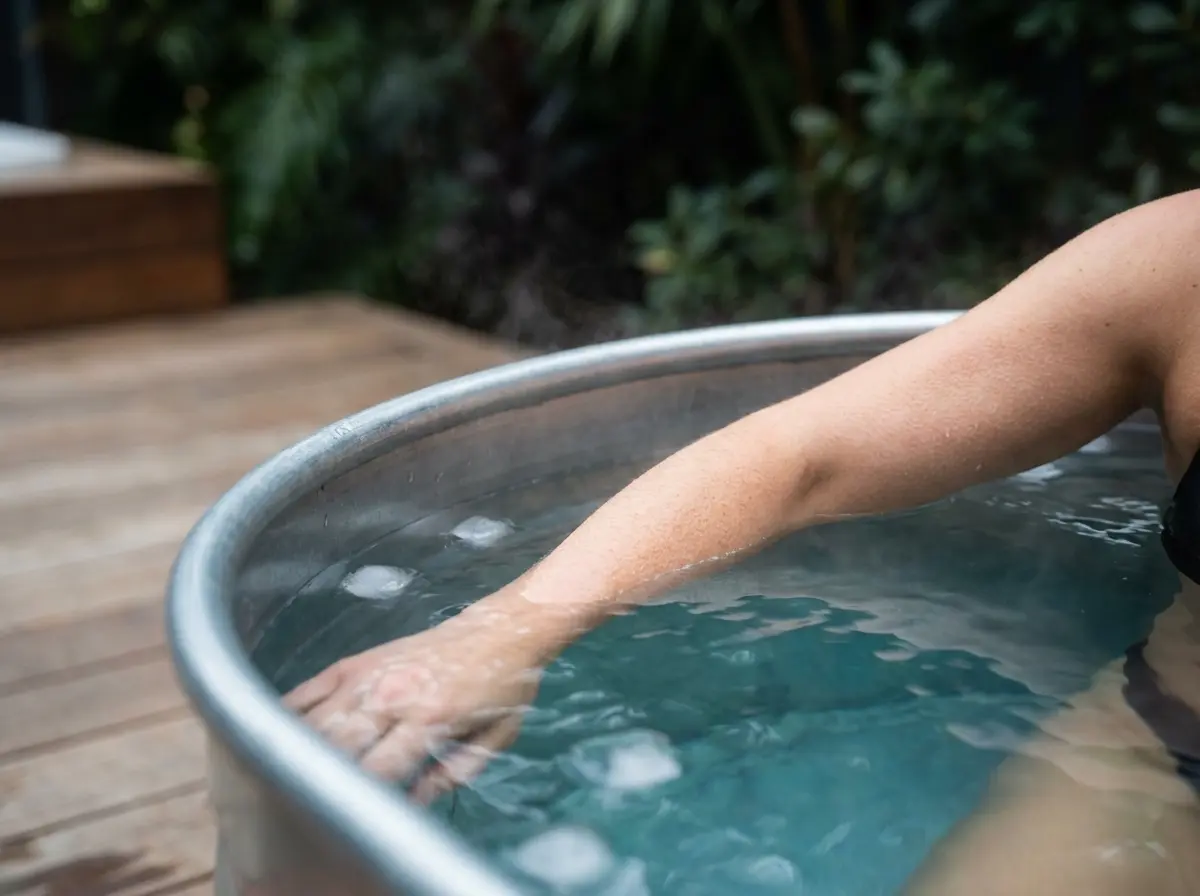
When cold water hits your skin, your body immediately initiates a series of automatic physiological responses to the temperature drop. This reaction is primarily driven by the shock of the cold, which activates the sympathetic nervous system. This is the same system responsible for the “fight or flight” mechanism that prepares you to face immediate threats.
Your heart rate increases, and your breathing may become rapid or shallow as your body attempts to preserve heat. Blood vessels in your extremities undergo vasoconstriction, tightening to pull blood toward your vital organs for protection. This process helps maintain your core body temperature and protects your heart, lungs, and liver from the environmental cold.
Once you step out of the cold and warm up, the opposite effect occurs within your circulatory system. Your blood vessels dilate, flushing fresh, oxygenated blood back into your tissues and muscles to promote healing. This “pumping” action improves overall circulation and helps clear out metabolic waste products that accumulate in the body.
Immune System Boost: Cold Shower Benefits for Strengthening Your Defenses
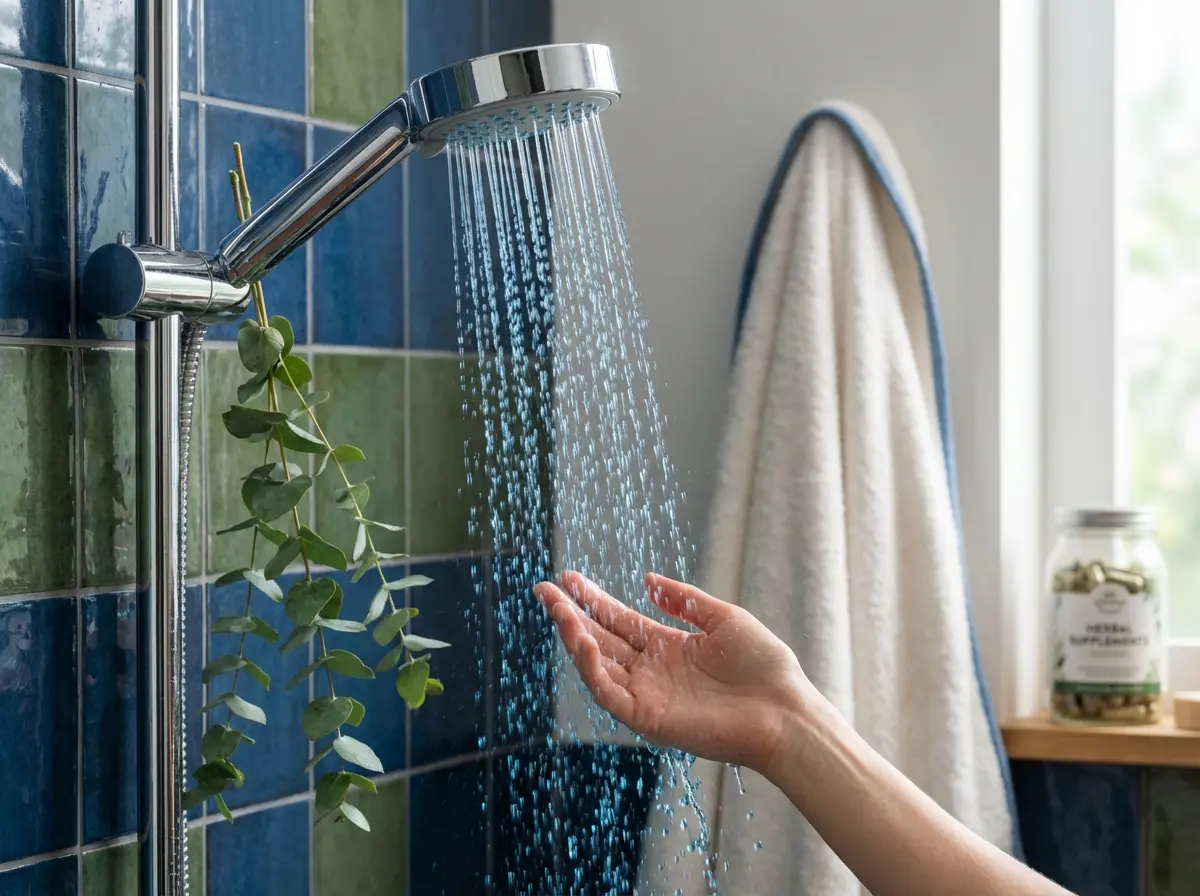
One of the most compelling reasons to endure cold water is the potential boost to your immune defense.
Research suggests that regular cold exposure increases the count of white blood cells in the body over time. These cells, particularly leukocytes, are the primary agents responsible for fighting off infections and viruses in the bloodstream.
A widely cited study from the Netherlands demonstrated a significant correlation between cold showers and reduced sickness among participants. Those who ended their daily showers with cold water for at least 30 seconds reported 29% fewer sick days. While the cold water did not necessarily prevent illness entirely, it appeared to reduce the severity of symptoms significantly.
The metabolic rate increases during cold exposure, which in turn stimulates the immune system to function more efficiently. This reaction creates a more robust defense mechanism against common seasonal ailments like the flu or the common cold. Consistency is the main factor here, as sporadic exposure does not yield the same cumulative protective effects.
Metabolism and Brown Fat Activation: Cold Shower Benefits for Weight Management
The human body contains two distinct types of fat tissue: white fat and metabolically active brown fat. White fat is the storage tissue that accumulates when we consume more calories than we burn, leading to obesity. Brown fat, or brown adipose tissue (BAT), serves a different function entirely by generating heat to keep the body warm.
Cold exposure activates brown fat, causing it to burn calories to maintain a stable body temperature through thermogenesis. This process can significantly increase your daily energy expenditure and improve your overall metabolic health over time. While a cold shower is not a magic solution for weight loss, it acts as a helpful supplemental tool.
Regular activation of brown fat may also improve insulin sensitivity and glucose metabolism in healthy individuals. This helps the body manage blood sugar levels more effectively, reducing the risk of metabolic disorders like type 2 diabetes.
Integrating cold therapy with a healthy diet and exercise creates a comprehensive approach to weight management.
- Cold water causes vasoconstriction, which improves circulation by flushing blood to vital organs.
- Regular cold showers are linked to a 29% reduction in sick days due to increased white blood cell activity.
- Exposure to cold activates brown adipose tissue (BAT), which burns calories to generate body heat.
Mental Health and Dopamine: Cold Shower Benefits for Clarity and Mood
The impact of cold water therapy extends well beyond the physical body, influencing brain chemistry in profound ways. When exposed to cold, the body releases a massive surge of norepinephrine and dopamine into the system. These neurotransmitters are directly linked to focus, attention, and feelings of pleasure and reward.
Studies have shown that cold water immersion can increase dopamine levels by up to 250%, an effect that lasts for hours. This provides a sustained mood lift that differs from the crash often associated with caffeine or sugar consumption.
Many practitioners report a state of “zen-like” alertness immediately following a cold shower session.
Building Mental Resilience through Cold Exposure: Cold Shower Benefits
There is also a psychological component to voluntarily standing under freezing water every single morning. It requires a distinct act of willpower to override the brain’s natural desire for comfort and warmth. Doing this daily trains the mind to handle stress and discomfort more effectively in other areas of life.
This practice is often called “hardening” or building grit through controlled environmental stressors. By conquering the small stressor of a cold shower, you prepare yourself to handle larger stressors throughout the day. You prove to yourself that you can endure difficult situations and remain calm under pressure.
Potential for Depression Relief
Some clinical research investigates cold hydrotherapy as a potential treatment for symptoms of depression and anxiety. The intense stimulation of cold receptors in the skin sends an overwhelming amount of electrical impulses to the brain. This creates an anti-depressive effect that can help lift mood and energy levels naturally.
Post-Workout Muscle Recovery: Cold Shower Benefits for Physical Health
Athletes have used ice baths for decades to recover from intense training sessions, and cold showers offer a similar benefit. Cold water helps reduce inflammation and swelling in muscle tissues that have been broken down during strenuous exercise. This can significantly speed up the recovery timeline between workouts for fitness enthusiasts.
The cold temperature constricts blood vessels, which helps flush out metabolic waste products like lactic acid from the muscles. When the body re-warms, fresh blood rushes back into the tissues, delivering the nutrients needed for repair. This process reduces delayed onset muscle soreness (DOMS), allowing you to return to training sooner.
While an ice bath is more intense, a cold shower focused on specific muscle groups is highly effective for recovery. Directing the stream of cold water onto sore legs or shoulders provides targeted relief after a gym session. It serves as a practical, daily alternative to full-body immersion for busy individuals.
Avoid taking cold showers immediately after hypertrophy (muscle-building) training if your goal is maximum muscle growth. Some studies suggest that blunting inflammation too quickly might slightly reduce muscle adaptation gains.
Skin and Hair Health: Dermatological Advantages of Cold Water Therapy
Hot water is notorious for stripping the skin and hair of their natural protective oils during the cleaning process. This can lead to dryness, irritation, and a lackluster appearance over time for many people. Cold water, conversely, does not wash away these essential sebum layers, helping your skin maintain its natural hydration barrier.
Cold temperatures cause the pores on your skin and the cuticles on your hair shafts to tighten and close. This results in smoother skin and shinier, stronger hair that is less prone to breakage or split ends. It also prevents dirt and pollutants from easily entering the pores, potentially reducing acne breakouts and skin irritation.
For those dealing with itchy skin conditions or general dryness, switching to lukewarm or cold water can provide immediate relief. It soothes inflammation and reduces the urge to scratch by calming the nerve endings in the skin. This simple change in your routine can replace the need for expensive moisturizing products.
Step-by-Step Guide: How to Start a Cold Shower Routine Safely
Jumping straight into freezing water without preparation is a recipe for failure and unnecessary physical shock. The initial sensation can be overwhelming, causing many people to quit before they experience any long-term benefits. A gradual approach allows the body and mind to acclimatize to the stressor comfortably over time.
The goal is consistency rather than intensity, especially in the beginning stages of your cold exposure journey. You want to build a sustainable habit that you can maintain daily without dreading the experience. Follow these steps to introduce cold water therapy safely into your morning ritual.
How to Ease Into Cold Showers
Start with a Warm Shower
Begin your shower with warm water as you normally would. Wash your hair and body, allowing your muscles to relax and your body temperature to rise.
Decrease the Temperature Gradually
Slowly turn the handle toward the cold setting. Do this incrementally over 30 seconds so your breathing can adjust to the changing sensation.
Finish Strong for 30 Seconds
Turn the water to the coldest tolerable setting for the final 30 to 60 seconds. Focus on deep, controlled breaths to manage the initial shock response.
Safety Considerations and Risks of Cold Water Showers
While cold showers are generally safe for most healthy adults, they do carry specific risks that should be acknowledged.
The “cold shock response” places immediate stress on the cardiovascular system as the heart rate spikes. This sudden spike in heart rate and blood pressure can be dangerous for individuals with pre-existing heart conditions.
If you have a history of heart disease, high blood pressure, or circulatory issues, consult a doctor before starting. The sudden vasoconstriction can cause fainting or dizziness in vulnerable individuals during the initial exposure. It is always better to proceed with caution than to risk a medical emergency in the shower.
Additionally, avoid taking cold showers if you are already feeling ill or have a fever. While cold water can boost immunity preventatively, it imposes stress that a sick body does not need for recovery. When your body is fighting an active infection, rest and warmth are usually the better choices for healing.
- Cold exposure boosts dopamine levels by up to 250%, improving mood and focus.
- Cold water preserves natural oils in skin and hair, unlike hot water, which strips them away.
- Individuals with heart conditions should consult a doctor due to the cardiovascular stress of the cold shock response.
Embracing the Health Benefits of Cold Showers
Cold showers aren’t comfortable – let’s be honest about that. But comfort isn’t always where growth happens. Those 30 seconds to a few minutes of cold exposure deliver benefits that extend far beyond the shower: sharper mental clarity, stronger immunity, faster recovery, and a resilience that carries into every area of your life.
You don’t need to go from hot to ice-cold overnight. Start with 30 seconds of cold water at the end of your regular shower, gradually increase the duration as your body adapts, and pay attention to how you feel throughout the day. Most people report feeling more energized, focused, and mentally tough within just a few weeks of consistent practice.
The initial shock fades, but the benefits accumulate. What once felt unbearable becomes invigorating, even something you look forward to. That transformation, from resistance to resilience, is what makes cold showers such a powerful daily practice.
Your morning routine is about to get a whole lot more interesting. Turn that dial to cold and discover what you’re capable of.
Ready to explore more science-backed wellness strategies that build resilience and optimize performance? At Healthful Hub, we share practical guidance on recovery techniques, healthy habits, and evidence-based tips that help you unlock your full potential. Discover expert advice that challenges you to level up your health game.