Chronic inflammation operates as a silent but destructive threat within your body over extended periods of time. While acute inflammation helps heal sudden injuries, the chronic version actively contributes to long-term health complications. Choosing specific foods that reduce inflammation and other foods that fight inflammation helps you mitigate this persistent biological response.
You hold a powerful and accessible tool to combat this biological process right in your own kitchen. The specific whole foods you choose to consume daily either fuel the inflammatory fire or help extinguish it. Shifting your dietary habits provides a natural and highly effective way to protect your long-term physical health.
What is Chronic Inflammation and Why an Anti-Inflammatory Diet Matters
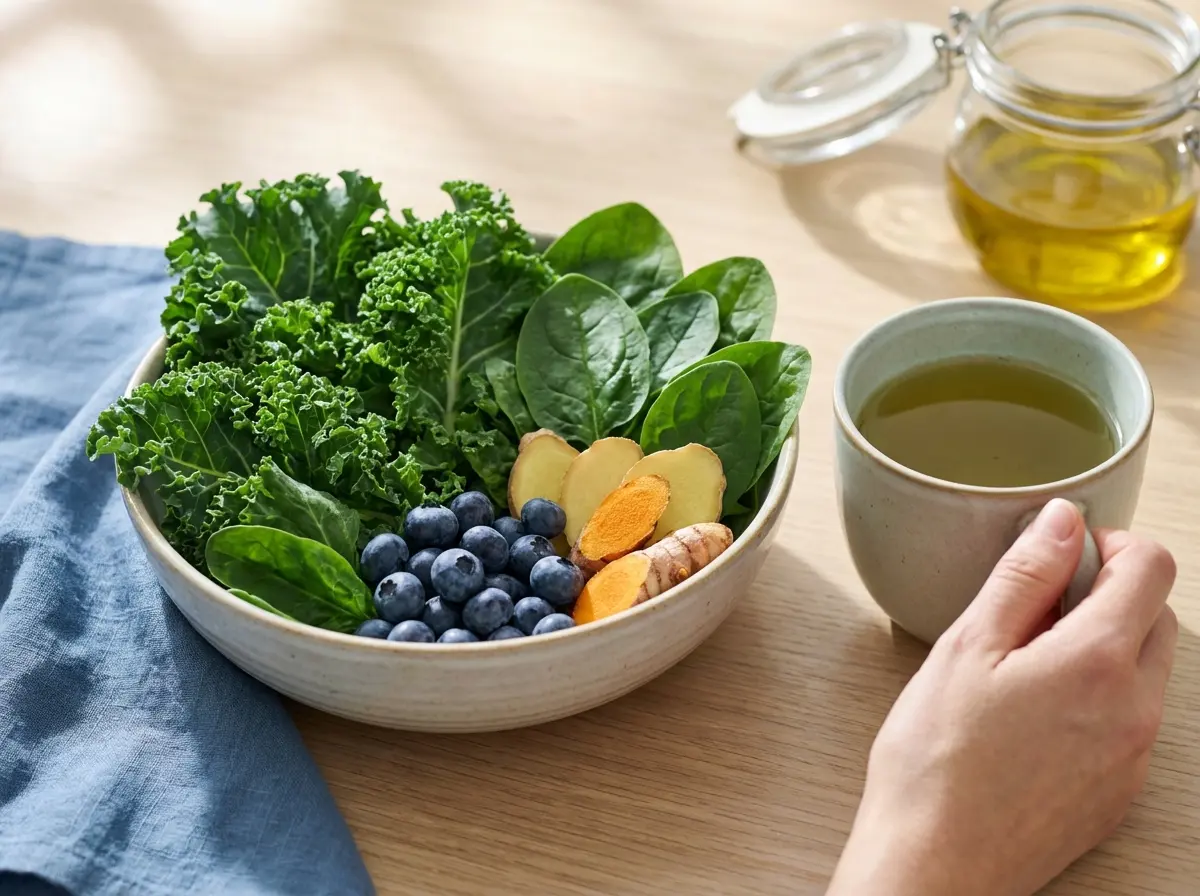
Before changing your grocery list, do you understand how inflammation functions at a cellular level?
The human immune system deploys white blood cells to protect the body from outside invaders like bacteria. When this defense mechanism remains activated without a real threat, it begins damaging healthy tissues and organs.
Several modern lifestyle factors trigger this constant state of high alert within the human immune system. High stress levels, poor sleep quality, and sedentary routines all contribute to elevated inflammatory markers and oxidative stress.
However, researchers consistently identify poor nutritional choices as a primary driver of this systemic immune response and cytokine production.
Recognizing the warning signs of chronic inflammation can help you take action before serious diseases develop. Common symptoms include persistent fatigue, joint pain, digestive issues, and stubborn weight gain around the midsection.
By addressing these early indicators through dietary interventions, you can significantly improve your overall biological function.
- Chronic inflammation damages healthy tissues and contributes to major diseases over time.
- Poor dietary choices act as a primary trigger for this persistent immune system response.
- Recognizing early symptoms like fatigue and joint pain helps you take timely corrective action.
15 Powerful Foods That Reduce Inflammation
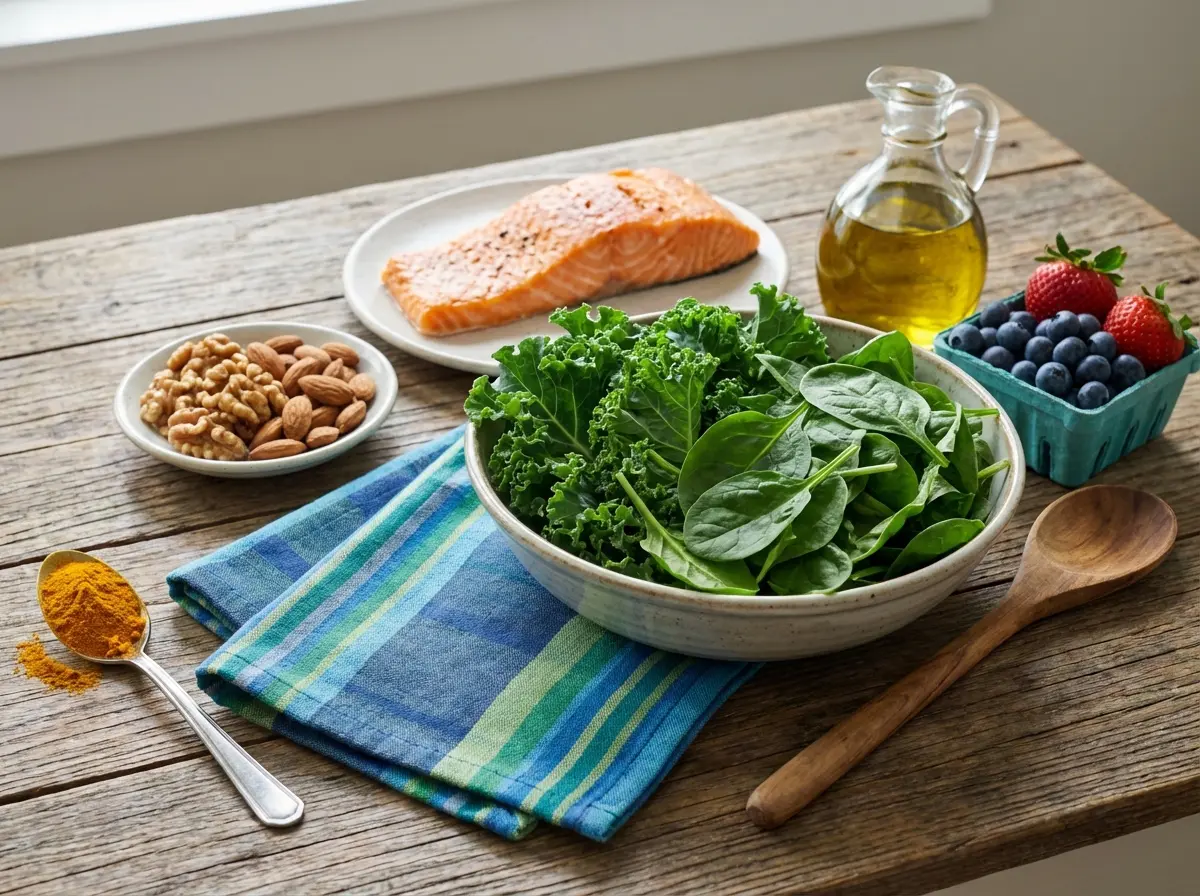
Building an effective anti-inflammatory diet requires focusing heavily on whole foods and unprocessed ingredients rich in natural protective compounds.
Nature provides abundant anti-inflammatory food resources packed with vitamins, minerals, and antioxidants that actively calm the overactive immune system. You can easily incorporate these powerful therapeutic ingredients into your daily meals with minimal culinary preparation.
Fatty Fish: Essential Omega-3 Fatty Acids for Reducing Inflammation Naturally
1. Fatty Fish (Salmon, Mackerel, Sardines)
Fatty fish are among the most potent anti-inflammatory foods you can eat. They’re loaded with omega-3 fatty acids – EPA and DHA – which actively reduce inflammatory markers in your body. Aim for at least two servings per week to get optimal benefits. Wild-caught salmon, mackerel, sardines, and anchovies deliver the highest omega-3 content while also providing quality protein and vitamin D.
Clinical studies demonstrate that people who consume fatty fish regularly show significantly lower markers of inflammatory proteins. C-reactive protein, a primary blood marker for systemic inflammation, drops noticeably when individuals increase their fish intake.
Health experts recommend consuming at least two servings of these omega-3 powerhouses every single week.
2. Leafy Green Vegetables (Spinach, Kale, Collards)
Dark leafy greens are nutritional powerhouses packed with vitamins, minerals, and antioxidants that combat inflammation. They’re particularly rich in vitamin K, which helps regulate inflammatory responses. Spinach, kale, Swiss chard, and collard greens contain compounds that protect cells from damage and reduce inflammatory cytokines. Add a handful to smoothies, sauté them as a side dish, or build salads around these inflammation-fighting greens.
3. Berries (Blueberries, Strawberries, Raspberries)
Berries are loaded with anthocyanins – powerful antioxidants that give them their vibrant colors and anti-inflammatory properties. Blueberries, strawberries, blackberries, and raspberries all fight oxidative stress and reduce inflammation markers. Fresh or frozen, berries make an easy addition to breakfast, snacks, or desserts while delivering serious health benefits in every bite.
4. Extra Virgin Olive Oil
This Mediterranean diet staple deserves its reputation as a health food. Extra virgin olive oil contains oleocanthal, a compound with anti-inflammatory effects similar to ibuprofen. It’s also rich in monounsaturated fats and antioxidants that protect your heart and reduce inflammation throughout your body. Use it for low-heat cooking, salad dressings, and finishing dishes – just make sure you’re buying high-quality, genuine extra virgin olive oil.
5. Turmeric
Curcumin, the active compound in turmeric, is one of nature’s most powerful anti-inflammatory agents. Research shows it can match the effectiveness of some anti-inflammatory drugs without the side effects. Add turmeric to curries, smoothies, or golden milk. Pair it with black pepper to increase curcumin absorption by up to 2000%.
Maximize the absorption of fat-soluble vitamins in leafy greens by cooking them lightly with a healthy fat like extra virgin olive oil.
6. Tomatoes
Tomatoes are rich in lycopene, a potent antioxidant with impressive anti-inflammatory properties. Cooking tomatoes actually increases lycopene bioavailability, so tomato sauce, paste, and cooked tomatoes deliver even more benefits than raw ones. They’re also packed with vitamin C and potassium, making them a nutritional win on multiple fronts.
7. Walnuts
These brain-shaped nuts are inflammation-fighting superstars. Walnuts contain high levels of omega-3 fatty acids, particularly alpha-linolenic acid (ALA), along with antioxidants and polyphenols that reduce inflammatory markers. A small handful daily provides healthy fats, protein, and fiber while actively combating inflammation.
8. Ginger
This spicy root has been used medicinally for thousands of years, and modern science confirms its anti-inflammatory power. Gingerols and other bioactive compounds in ginger reduce inflammation and oxidative stress. Fresh ginger can be added to stir-fries, smoothies, and tea, while ground ginger works well in baked goods and curries.
9. Green Tea
Beyond its caffeine content, green tea contains powerful antioxidants called catechins, particularly EGCG (epigallocatechin gallate). These compounds reduce inflammation and protect cells from damage. Drinking 2-3 cups daily provides consistent anti-inflammatory benefits along with improved brain function and fat burning.
10. Avocados
Creamy, satisfying avocados deliver monounsaturated fats, fiber, and unique compounds like carotenoids and tocopherols that fight inflammation. They also help your body absorb fat-soluble antioxidants from other foods. Add avocado to salads, toast, smoothies, or simply eat it with a spoon – your body will thank you.
11. Dark Chocolate (70%+ Cacao)
Yes, chocolate makes the list – but only the dark, minimally processed kind. Dark chocolate with at least 70% cacao contains flavonoids that reduce inflammation and support heart health. The key is moderation and quality: choose brands with minimal added sugar and enjoy a small square or two as a health-supporting treat.
12. Broccoli and Cruciferous Vegetables
Broccoli, cauliflower, Brussels sprouts, and cabbage contain sulforaphane, a powerful antioxidant that reduces inflammatory markers. These vegetables also provide fiber, vitamins, and minerals that support overall health. Lightly steam or roast them to preserve their anti-inflammatory compounds while making them delicious.
13. Bell Peppers
Colorful bell peppers – especially red and yellow varieties – are loaded with vitamin C and antioxidants like quercetin that fight inflammation. They’re also rich in carotenoids with anti-inflammatory properties. Raw, roasted, or sautéed, bell peppers add flavor, crunch, and serious nutritional benefits to any meal.
14. Chia Seeds and Flaxseeds
These tiny seeds pack a major anti-inflammatory punch. Both are excellent sources of omega-3 fatty acids, fiber, and antioxidants. Ground flaxseeds are easier to digest and absorb, while chia seeds can be eaten whole. Add them to smoothies, yogurt, oatmeal, or use them as egg substitutes in baking.
15. Mushrooms (Shiitake, Maitake, Portobello)
Mushrooms contain unique anti-inflammatory compounds and antioxidants, particularly when eaten raw or lightly cooked. Shiitake and maitake mushrooms have been studied for their immune-modulating and anti-inflammatory properties. Even common varieties like portobello and cremini offer benefits. Sauté them as a side dish, add to soups, or use as a meat substitute.
How to Incorporate These Foods Into Your Daily Diet
Start Your Day Right: Add berries and chia seeds to oatmeal or yogurt, or blend them into a smoothie with spinach and ginger.
Build Better Lunches: Create salads with leafy greens, bell peppers, walnuts, and avocado, dressed with extra virgin olive oil and lemon.
Upgrade Your Dinners: Center meals around fatty fish or add mushrooms and broccoli as sides. Use turmeric and ginger in cooking for flavor and healing benefits.
Smart Snacking: Keep walnuts, dark chocolate, and fresh berries on hand for anti-inflammatory snacks that actually satisfy.
Beverage Choices: Swap some of your coffee for green tea, or make golden milk with turmeric before bed.
The goal isn’t perfection. It’s progress. Even adding 3-5 of these foods to your regular rotation creates measurable anti-inflammatory benefits over time.
Eat to Heal
Chronic inflammation doesn’t develop overnight, and it won’t disappear with a single meal. But every anti-inflammatory food choice you make is a step toward reducing pain, lowering disease risk, and supporting your body’s natural healing processes.
The beauty of an anti-inflammatory diet is that it’s not about restriction – it’s about abundance. Fill your plate with colorful vegetables, fatty fish, nuts, berries, and healing spices. These aren’t bland “health foods” you force yourself to eat; they’re delicious, satisfying options that happen to fight inflammation while nourishing your body.
Start by adding a few anti-inflammatory foods to your current routine rather than overhauling everything at once. Swap your cooking oil for extra virgin olive oil, add berries to your breakfast, or include fatty fish twice a week. Small, consistent changes compound into powerful results over time.
Your body is constantly working to heal itself. Give it the nutritional tools it needs, and watch inflammation – along with the pain, fatigue, and health risks it brings – gradually diminish.
Ready to optimize your nutrition for better health and vitality? At Healthful Hub, we share science-backed guidance on anti-inflammatory eating, disease prevention, and sustainable dietary strategies that support long-term wellness. Discover expert tips that help you eat your way to better health.