
Have you ever wondered why workplace productivity frequently plummets around two o’clock in the afternoon? This sudden drop in energy directly correlates with the quality of food consumed during the midday break. Grabbing a quick burger from the drive-thru or eating a heavily processed frozen meal spikes blood sugar levels rapidly. A sharp crash inevitably follows this rapid rise, leaving professionals feeling lethargic and unfocused during crucial afternoon meetings. Packing healthy lunch ideas for work solves this widespread problem while simultaneously improving long-term health outcomes.
Employees who consume balanced, nutrient-dense meals report significantly better concentration and sustained energy throughout their entire shift. This comprehensive guide provides practical strategies for preparing nutritious office meals that taste delicious and support professional performance. You will discover actionable meal prep techniques and specific recipes that fit seamlessly into a demanding corporate schedule. By taking control of your midday nutrition, you can drastically improve your daily output and overall well-being.
The Science of Healthy Lunch Ideas for Work and Workplace Productivity
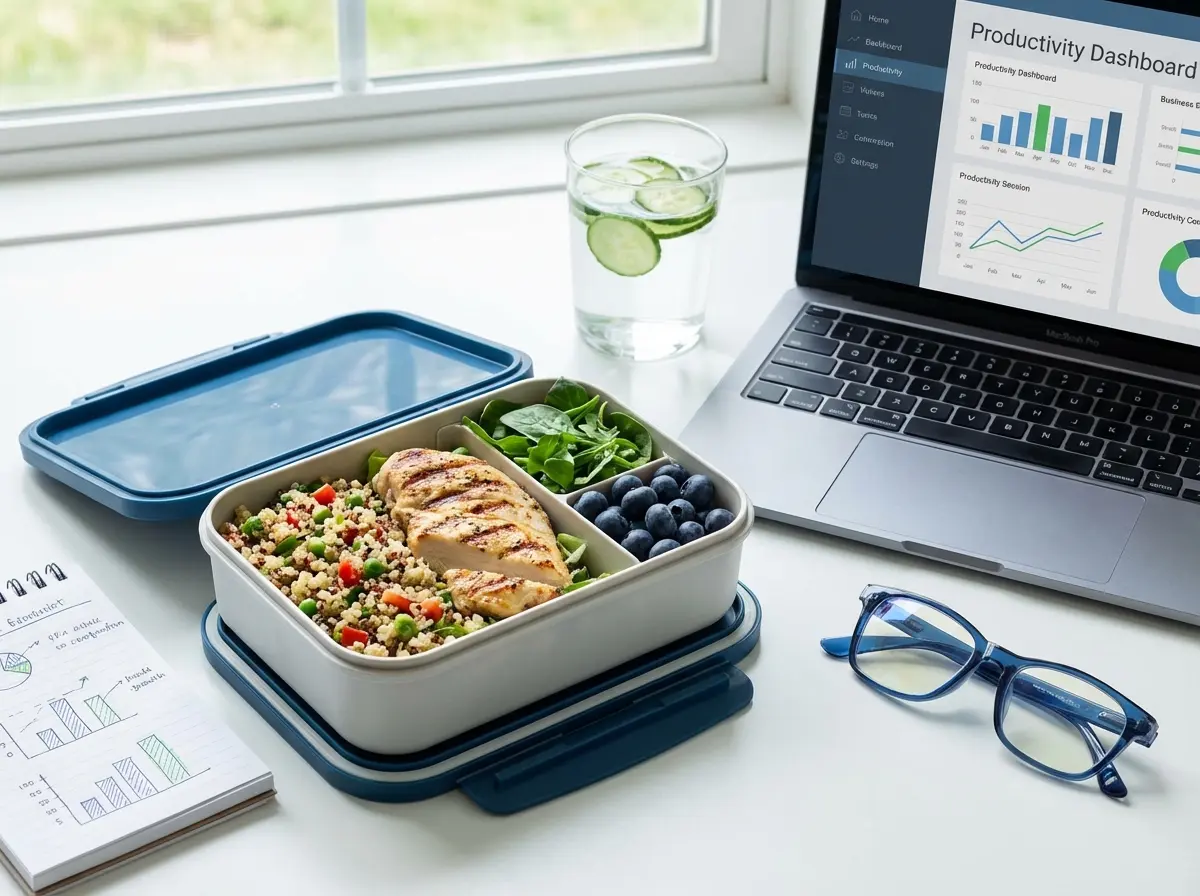
Human brains consume roughly twenty percent of the daily caloric intake despite representing only two percent of total body weight. This massive energy demand requires a steady supply of glucose to maintain optimal cognitive function and decision-making capabilities. Consuming a lunch high in refined carbohydrates causes a rapid release of insulin to manage the sudden sugar influx. The resulting reactive hypoglycemia creates the dreaded afternoon slump that drives many professionals to seek out sugary coffee beverages.
How Nutritious Office Meals Impact Cognitive Function and Focus
Research from the International Labour Organization demonstrates that poor diet choices can decrease worker productivity by up to twenty percent. Nutrients act as the chemical messengers that allow neurons to communicate effectively during complex problem-solving tasks. Diets rich in omega-3 fatty acids, antioxidants, and essential vitamins protect the brain from oxidative stress over time. Providing your body with these critical building blocks allows you to maintain sharp focus during long periods of intense mental exertion.
Avoiding the Afternoon Slump with Balanced Midday Meals
Stabilizing blood sugar remains the primary objective for any professional eating lunch during the workday. Combining lean proteins with complex carbohydrates slows the digestion process, releasing energy gradually over several hours. This steady metabolic burn prevents the drastic peaks and valleys associated with standard American fast food diets. Workers who adopt this eating pattern consistently perform better on cognitive tests administered during the late afternoon hours.
- Proper nutrition directly influences cognitive function and workplace productivity.
- High-sugar lunches cause rapid energy crashes that ruin afternoon focus.
- Combining protein and complex carbohydrates stabilizes blood sugar levels effectively.
Essential Components of Easy Work Lunches and Nutritious Office Meals
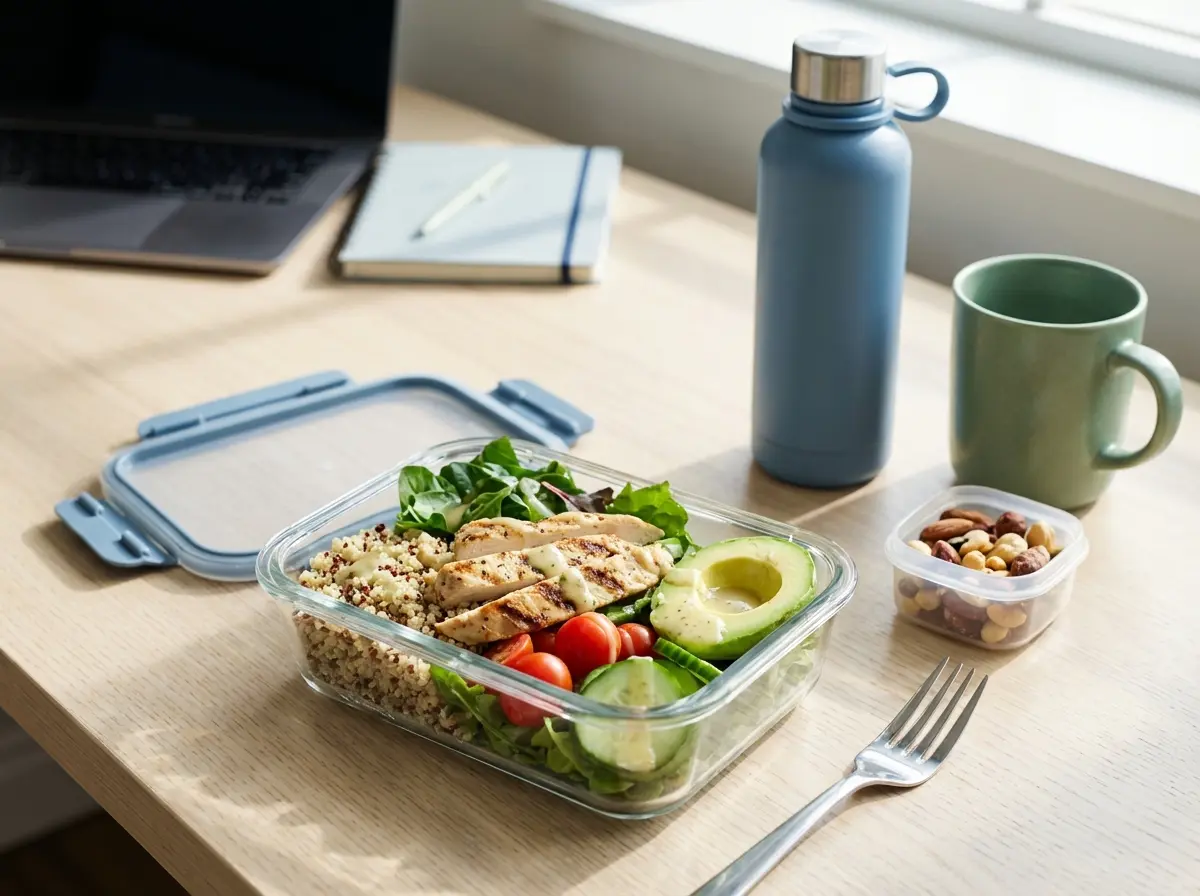
Constructing a balanced meal requires an understanding of basic macronutrients and their specific roles within the human body. A truly satisfying office lunch must contain the right ratio of proteins, carbohydrates, and fats to sustain physical and mental energy. Ignoring any of these three pillars often leads to premature hunger and subsequent snacking on breakroom pastries. You can easily build a perfect meal by following a simple formula that incorporates all three essential elements.
Lean Proteins for Sustained Energy and Midday Nutrition
Protein serves as the foundation for physical satiety and muscle repair throughout your busy workday. Consuming twenty to thirty grams of protein at lunch significantly reduces ghrelin, the hormone responsible for signaling hunger to the brain. Excellent sources include grilled chicken breast, wild-caught salmon, tofu, edamame, and lean cuts of turkey. Vegetarians and vegans can easily reach these targets by combining beans, lentils, and high-protein grains like quinoa.
Complex Carbohydrates and Fiber for Easy Work Lunches
Carbohydrates often receive an unfair reputation, but they remain the preferred energy source for your central nervous system. Complex carbohydrates contain dietary fiber, which slows digestion and provides a continuous trickle of glucose to your brain. Sweet potatoes, brown rice, whole wheat pasta, and black beans represent excellent choices for your midday meal. The dietary fiber found in these foods also supports a healthy gut microbiome, which researchers increasingly link to improved mental health.
Healthy Fats for Brain Health and Workplace Productivity
Dietary fats play a critical role in hormone production and the absorption of fat-soluble vitamins. Incorporating monounsaturated and polyunsaturated fats into your lunch helps protect neural pathways and improves overall mood stability. Avocado slices, extra virgin olive oil, walnuts, and chia seeds offer fantastic nutritional profiles without causing sluggishness. Moderation remains important, as fats contain more than double the calories per gram compared to proteins or carbohydrates.
Always pack your salad dressing in a separate small container rather than pouring it over your greens in the morning. This simple practice prevents your vegetables from becoming soggy and extends the lifespan of your meal.
Quick and Cold Healthy Lunch Ideas for Work: No-Heat Options
Many office environments lack adequate microwave facilities, or the lines to use them stretch out the door during peak hours. Cold lunches offer a practical solution that saves valuable break time while providing exceptional nutritional value. These meals require zero reheating and often taste better when consumed straight from the office refrigerator. Preparing cold lunches also eliminates the risk of offending coworkers with strong odors commonly associated with heated fish or cruciferous vegetables.
Mason Jar Salads That Stay Crisp for Easy Work Lunches
The mason jar salad revolution fundamentally changed how professionals transport leafy greens to the workplace. The secret lies entirely in the layering technique, which isolates wet ingredients from delicate lettuces to maintain crispness. Place your dressing at the very bottom, followed by hearty vegetables like carrots or cherry tomatoes that can safely marinate. Add proteins and grains in the middle layers, finishing with spinach or arugula packed tightly at the top.
Protein-Packed Wraps and Sandwiches for Nutritious Office Meals
Traditional sandwiches remain a staple of the American workforce for good reason, but they require significant nutritional upgrades. Swap out highly processed white bread for sprouted grain alternatives that offer superior amino acid profiles and enhanced digestibility. Fill your wrap with generous portions of lean roasted meats, hummus, and an abundance of fresh spinach or crunchy cabbage. Using avocado or Greek yogurt as a spread eliminates the need for heavy, calorie-dense mayonnaise.
Adult Bento Boxes and Snack Plates for Meal Prep for Work
Adult bento boxes mimic the popular lunchable concept but utilize whole, unprocessed foods for superior health benefits. This grazing style of eating works exceptionally well for professionals who prefer lighter meals or have limited time to consume food. Fill compartmentalized containers with hard-boiled eggs, raw almonds, sliced bell peppers, and whole grain crackers. This approach provides a diverse array of micronutrients while keeping portion sizes perfectly controlled.
Hot Healthy Lunch Ideas for Work: Meal Prep for Work That Reheats Perfectly
Sometimes a cold salad simply cannot provide the comfort and satisfaction needed during a stressful workday or a cold winter afternoon. Hot lunches often feel more substantial and can help break up the monotony of the standard daily grind. The challenge lies in selecting foods that retain their texture and flavor after spending two minutes in a corporate microwave. Certain ingredients hold up beautifully to reheating, while others turn into an unappetizing, mushy disaster.
Grain Bowls and Quinoa Variations for Nutritious Office Meals
Grain bowls represent the ultimate vehicle for hot, nutritious lunches that travel well and reheat evenly. A base of farro, quinoa, or brown rice provides a sturdy foundation that absorbs sauces without losing its structural integrity. Top these grains with roasted root vegetables, grilled chicken, and a robust tahini or peanut sauce for maximum flavor. These bowls offer endless customization options, allowing you to utilize whatever ingredients you have left over in your refrigerator.
Hearty Soups and Stews for Healthy Lunch Ideas for Work
Thermos-friendly soups provide incredible nutritional density and require absolutely no office equipment if heated properly at home. Lentil stews, chicken and wild rice soup, or black bean chili offer massive doses of fiber and protein in every spoonful. Liquid-based meals also contribute to your daily hydration goals, which many professionals neglect during busy shifts. Always pack a side of whole grain bread or a small side salad to provide contrasting textures to your soup.
Leftover Makeovers and Easy Work Lunches
Repurposing last night’s dinner stands out as the most efficient way to secure a high-quality lunch for the following day. Simply cooking an extra portion of your evening meal requires zero additional prep time and guarantees a delicious midday experience. However, you must store these leftovers properly in meal prep containers to maintain freshness and prevent bacterial growth. Avoid reheating items like fried foods or delicate fish, as they will degrade significantly in the microwave.
How to Master Sunday Meal Prep for Work
Plan Your Menu
Select two or three recipes for the week to maintain variety without overwhelming your grocery list.
Execute Batch Cooking
Cook large quantities of foundational ingredients like grains and proteins simultaneously on Sunday afternoon.
Portion and Store
Divide the cooked food into individual glass containers to grab and go during rushed weekday mornings.
Hydration and Healthy Midday Beverages for Better Focus
Many professionals mistake mild dehydration for hunger during the middle of the workday. The human brain consists of approximately seventy-three percent water, making hydration critical for maintaining focus and analytical thinking. Relying solely on caffeinated beverages or sugary sodas to get through the afternoon actually exacerbates dehydration and fatigue. A comprehensive approach to a healthy lunch must include adequate water intake to support cellular function and digestion.
The Problem with Liquid Calories and Workplace Productivity
Commercial iced coffees, energy drinks, and sodas often contain upwards of fifty grams of added sugar per serving. Consuming these beverages alongside your lunch completely negates the benefits of eating a balanced, nutrient-dense meal. The massive insulin spike generated by liquid sugar hits the bloodstream almost instantly, guaranteeing a severe crash shortly afterward. Replacing these drinks with healthier alternatives stands out as the fastest way to improve your midday energy levels.
Upgrading Your Office Water for Better Midday Nutrition
Drinking plain water from the office cooler all day can become incredibly monotonous for many people. You can easily elevate your hydration strategy by infusing your water with fresh fruits, herbs, and vegetables. Slices of cucumber, lemon, lime, or crushed mint leaves add refreshing flavor without contributing any measurable calories. Keep a large, insulated water bottle at your desk as a visual reminder to consume fluids consistently throughout your shift.
Strategic Caffeine Consumption and Nutritious Office Meals
Coffee and tea offer legitimate health benefits when consumed correctly and without excessive sweeteners or heavy creams. Green tea provides an excellent midday alternative to coffee because it contains L-theanine, an amino acid that promotes calm alertness. If you must consume caffeine after lunchtime, try to do so before two o’clock to prevent sleep disruption at night. Proper rest remains just as important as proper nutrition for maintaining optimal workplace performance.
Smart Healthy Office Snacks and Midday Nutrition to Complement Your Lunch
Even the most perfectly constructed lunch might not carry you entirely through a demanding ten-hour workday. Strategic snacking bridges the gap between meals and prevents the extreme hunger that leads to poor dinner choices. The key involves treating snacks as miniature meals that provide specific nutritional benefits rather than just empty calories. Keeping a stash of healthy options in your desk drawer protects you from the siren song of the vending machine.
Protein-Forward Desk Snacks and Healthy Office Snacks
Shelf-stable protein snacks offer the best defense against sudden afternoon hunger pangs. Beef or turkey jerky provides substantial protein with minimal carbohydrates, provided you select brands with low sugar content. Roasted edamame, pumpkin seeds, and high-quality protein bars also survive perfectly fine in a desk drawer for months. These foods require intense chewing, which psychological studies show helps satisfy cravings more effectively than soft foods.
Fresh Produce Options for Healthy Lunch Ideas for Work
Apples, bananas, and oranges come in their own natural packaging, making them ideal for office environments. Pairing a piece of fresh fruit with a handful of almonds creates a perfectly balanced snack of carbohydrates and fats. This combination delays gastric emptying and provides a steady, reliable stream of energy for your final hours at work. You can easily purchase these items during your weekend grocery run and leave them in a bowl on your desk.
Budget-Friendly Healthy Lunch Ideas for Work and Cost-Effective Meal Prep
Spending $15–$25 on lunch every day can quickly add up. Over a year, this habit can cost thousands of dollars. Preparing your own healthy lunches helps you save money while improving your diet.
Buying staple foods like rice, beans, and oats in bulk keeps costs low. These items are affordable, long-lasting, and easy to turn into nutritious meals. Shopping seasonal produce and weekly deals also helps stretch your budget.
Plant-based proteins are often cheaper than meat and still highly nutritious. Swapping in options like lentils or chickpeas a few times a week can reduce grocery costs. They also last longer, helping minimize food waste.
Simple meal planning makes healthy eating both affordable and sustainable. You don’t need to spend a lot to eat well. With smart choices, you can improve your health and keep more money in your pocket.
Never leave perishable lunch items sitting on your desk at room temperature for more than two hours. Always utilize the office refrigerator or pack an insulated bag with frozen ice packs to prevent foodborne illnesses.
Overcoming Common Office Lunch Challenges and Maintaining Consistency
Even dedicated professionals struggle to maintain healthy eating habits at work. Breakrooms are often filled with donuts, leftovers, and high-calorie treats from coworkers. Planning ahead and eating a filling, nutrient-dense lunch makes it easier to resist these temptations.
Time constraints are another common challenge during the workday. Many people eat at their desks while working, which leads to mindless eating and poor digestion. Stepping away from your workspace, even briefly, helps your body process food better and reduces stress.
Social habits also influence what you eat during the day. Coworkers often bond over meals, making it harder to stick to your goals. You can still join them by bringing your own lunch or suggesting shared meals in a breakroom or nearby park.
If eating out is unavoidable, plan ahead by checking the menu in advance. Choosing healthier options becomes easier when you know what’s available. This approach helps you stay consistent without missing out on social interactions.
- Preparing your own lunch saves thousands of dollars annually compared to dining at commercial restaurants.
- Stepping away from your desk to eat improves digestion and reduces workplace stress.
- Plant-based proteins offer a highly economical and nutritious alternative to expensive meats.
Conclusion: Building Better Habits with Healthy Lunch Ideas for Work
Transforming your midday eating habits requires patience, consistency, and a willingness to experiment with new ingredients. Transitioning from daily restaurant visits to packing healthy lunch ideas for work represents a significant lifestyle change. Start by committing to preparing your own meals just two or three days a week until the process feels natural. This gradual approach prevents burnout and allows you to build a reliable repertoire of favorite recipes over time.
Your physical health, mental clarity, and financial well-being will all improve as you take control of your nutritional intake. The afternoon energy crashes that once derailed your productivity will soon become a distant memory. By prioritizing high-quality proteins, complex carbohydrates, and healthy fats, you give your body the exact fuel it needs to thrive. Embrace the practice of mindful meal preparation, and watch as your professional performance reaches entirely new levels.
Ready to optimize every aspect of your health and wellness? At Healthful Hub, we share science-backed strategies for healthy sleep, stress management, nutrition, and sustainable habits that help you feel your best every day. Discover expert guidance that transforms how you live and rest.
