Athletic recovery requires consistent time and deliberate effort to yield the best possible physical results for your long-term fitness journey. Many physically active individuals rely on a specific recovery tool to relieve muscle tension after training sessions. You can use a cylindrical foam roller to target specific tight areas across your entire body and experience the many foam rolling benefits available to athletes. When you foam roll your muscles, you are engaging in a form of self-myofascial release that helps to alleviate muscle tightness and improve overall mobility.
When you foam roll regularly, you support better movement mechanics and maintain your overall physical health through improved tissue quality. You might wonder if you should foam roll before a session or after your daily workout to achieve the best results. The truth is that foam rolling offers serious physiological advantages at both of these critical times for performance and recovery. By choosing to foam roll consistently, you can reduce muscle stiffness and ensure your body remains prepared for the demands of high-intensity training.
Understanding the mechanism behind this popular practice helps you maximize your daily physical maintenance routine and achieve your fitness goals. Finding an effective foam rolling strategy is essential for long-term success and injury prevention in any demanding athletic discipline. This guide will explore the foam rolling benefits that can transform your approach to physical therapy and athletic preparation. Whether you are a professional athlete or a weekend warrior, learning how to foam roll correctly is a vital skill for longevity.
Connective tissue, also known as fascia, surrounds every single muscle, bone, and organ inside your complex human body. This soft tissue can become tight or physically restricted following periods of intense physical activity or prolonged periods of sedentary behavior. When you foam roll, you apply pressure to these soft tissues to encourage myofascial release and restore natural movement patterns. This process helps to break up adhesions that form between the muscle and the fascia, which often cause discomfort.
The physiological impact of using a foam roller involves both mechanical and neurophysiological changes within the targeted muscle group. As you foam roll, the mechanical pressure helps to increase blood flow to the area, delivering essential nutrients for repair. Simultaneously, the nervous system receives signals that allow the muscle to relax and let go of chronic tension or guarding. This dual action is why so many people find that they can foam rolling benefits their overall range of motion almost immediately.
Research suggests that the use of foam rollers can significantly alter your pain perception by stimulating specific sensory receptors in the skin. When you foam roll a tender spot, you are essentially desensitizing the area and allowing for deeper tissue manipulation over time. This is particularly useful for addressing specific trigger points that might be causing referred pain in other parts of the body. By understanding these scientific principles, you can foam roll with greater intention and achieve more predictable outcomes for your health.
Trigger Points and Foam Roller: Primary Physical Benefits of a Recovery Routine
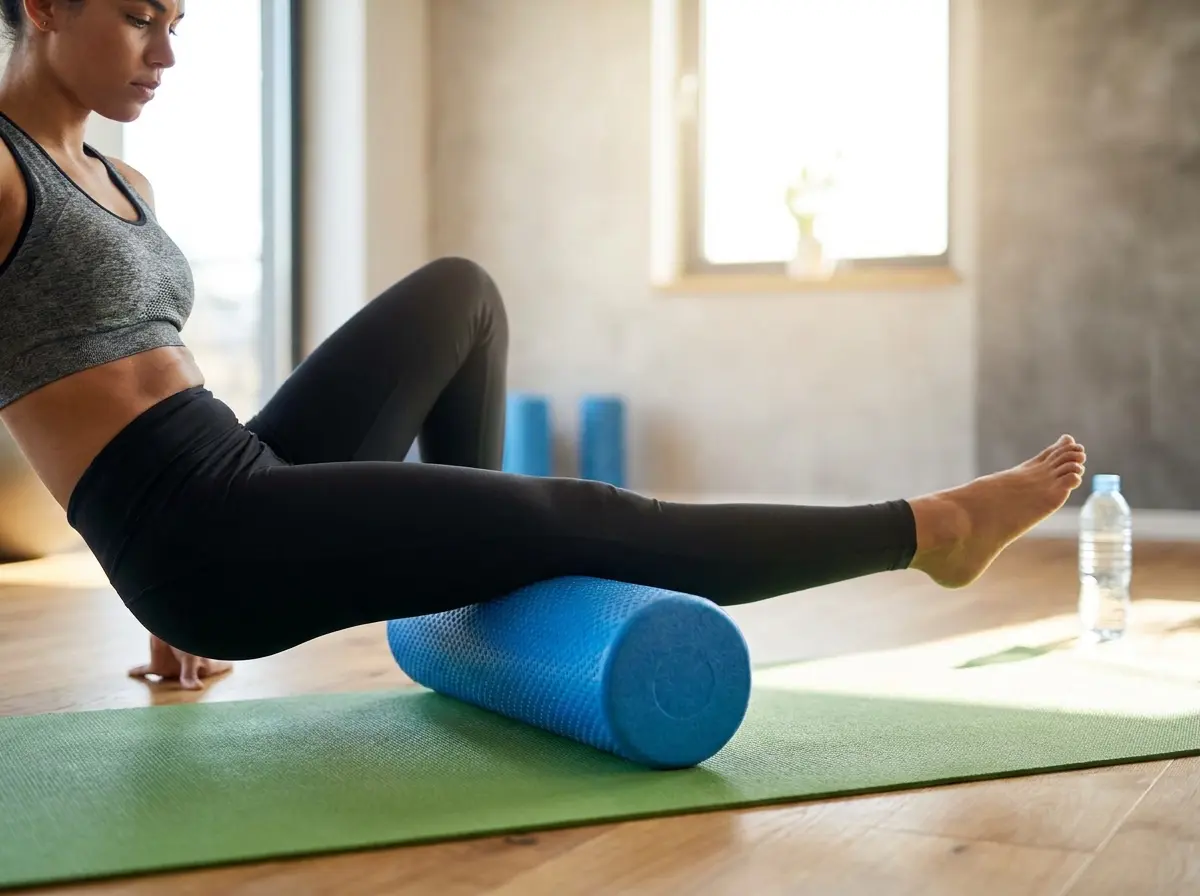
One of the most significant advantages of a regular recovery routine is the ability to reduce muscle soreness after a workout. Many athletes experience delayed-onset muscle soreness, which can hinder performance and motivation during subsequent training sessions. When you foam roll after exercise, you help to flush out metabolic waste products and encourage faster muscle recovery through increased blood. This proactive approach ensures that you can return to your training schedule with less downtime and reduced muscle pain.
In addition to recovery, using a foam roller can help you increase flexibility and enhance your joint range of motion. Unlike static stretching, which can sometimes decrease muscle power if done before exercise, foam rolling maintains muscle force while improving elasticity. You can foam roll your hamstrings or hip flexors to increase range without compromising the explosive strength needed for your sport. This makes the foam roller an essential tool for anyone looking to optimize their physical capabilities and prevent common injuries.
Furthermore, the potential benefits of this practice extend to improved circulation and lymphatic drainage throughout the entire body. When you foam roll, the rhythmic pressure acts as a pump for the circulatory system, promoting increased blood flow to distal limbs. This enhanced circulation helps to alleviate muscle stiffness and supports the body’s natural detoxification processes during the recovery phase. Consistent foam rolling can lead to a noticeable improvement in how your muscles feel and function on a daily basis.
Foam Rolling and Foam Roll: How to Effectively Foam Roll Different Muscle Groups
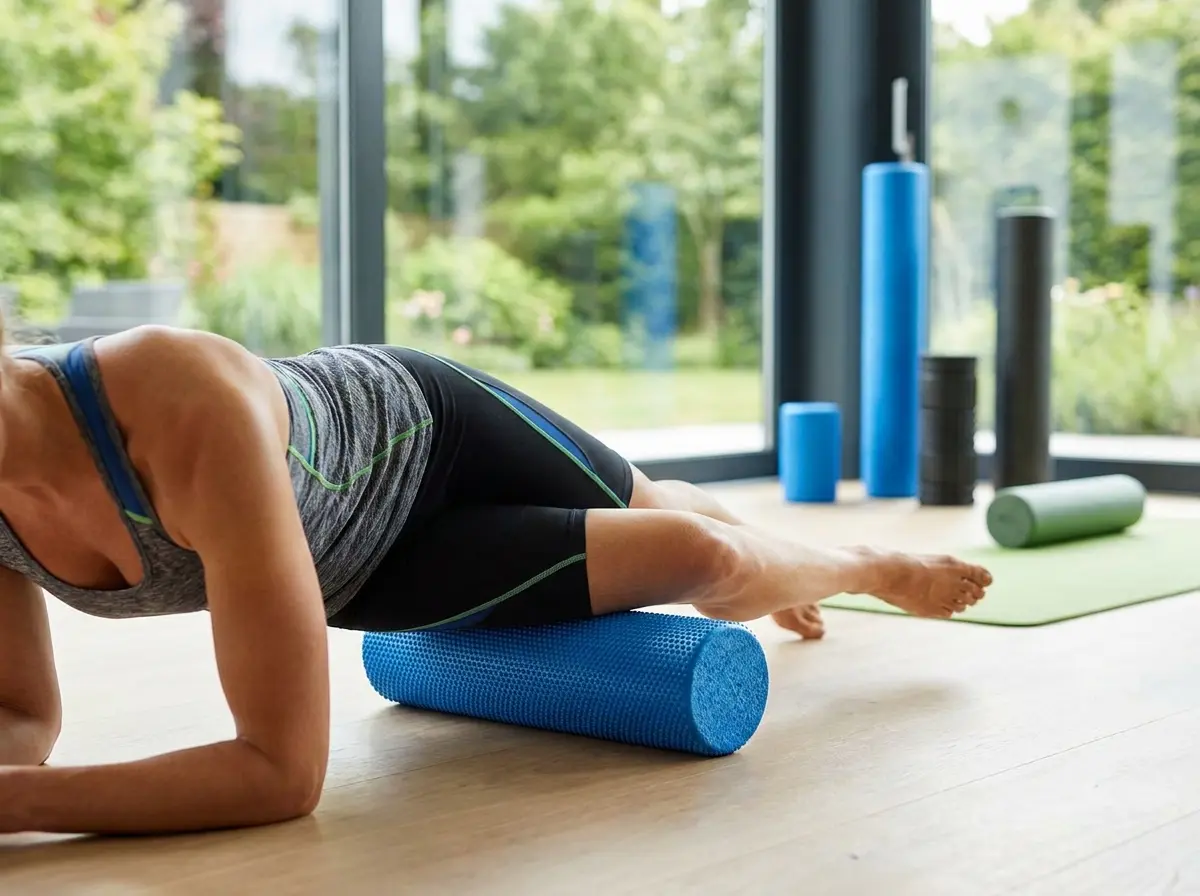
To foam roll effectively, you must learn to use your body weight to apply pressure to the targeted muscle group. Start by placing the foam roller under the area you wish to treat, such as your calves or your quadriceps. You should slowly roll back and forth, searching for any muscle knots or areas of significant tension that require extra attention. When you find a tender spot, pause for thirty seconds to allow the pressure to facilitate a deeper release.
When addressing the upper body, it is important to foam roll the thoracic spine and the latissimus dorsi muscles carefully. Avoid the lower back area, as the lack of rib protection makes the lumbar spine vulnerable to excessive pressure from the roller. Instead, foam roll the mid-back to improve posture and reduce the tension that accumulates from sitting at a desk all day. This technique helps to increase flexibility in the chest and shoulders, which is vital for overhead lifting movements.
For the lower body, you can foam roll the glutes and the iliotibial (IT) band to maintain hip health and knee stability. Position yourself so that you can foam roll the side of your thigh, moving from the hip down toward the knee. If the sensation is too intense, use your other leg to support some of your body weight and reduce the pressure. Mastering these techniques allows you to foam roll every major muscle group with precision and safety for maximum physical benefit.
Foam Roller and Foam Roll: Timing Your Roller Massage: Before or After Exercise?
Integrating a foam roller into your warm-up routine can prepare your muscles for the physical stress of an upcoming workout session. When you foam roll before exercise, you increase blood flow and raise the temperature of the soft tissues you are about to use. This preparation helps to increase range of motion and can lead to a more effective and safer training experience for the athlete. It serves as a dynamic way to wake up the nervous system and prime the muscles for action.
Conversely, choosing to foam roll after your workout is primarily focused on recovery and the reduction of delayed-onset muscle. This post-exercise session helps to soothe the nervous system and begin the process of repairing micro-tears in the muscle fibers. By taking the time to foam roll when your muscles are still warm, you can more easily address muscle tightness and prevent long-term stiffness. Both timings offer unique advantages, and many people find that they foam roll both before and after for the best results.
If you have limited time, you might prioritize which muscle group needs the most attention based on your specific training goals. For example, a runner might foam roll their calves and quads before a sprint session to ensure optimal ankle and hip mobility. A weightlifter might foam roll their upper back after a heavy pressing day to maintain shoulder health and reduce muscle pain. Ultimately, the decision to foam roll should be based on your body’s specific needs and your daily activity levels.
Foam Rollers and Foam Rolling: Integrating Health Checks: From Injury Prevention to Cancer Screening
While we often focus on the athletic advantages, using foam rollers can also serve as a valuable tool for general health awareness. As you foam roll your body, you become more familiar with the normal texture and consistency of your muscle tissue and skin. This increased body awareness can help you notice unusual lumps or changes that might require a professional medical consultation or screening. Regular foam rolling sessions encourage a proactive approach to monitoring your physical well-being beyond just sports performance.
It is essential to understand that while you foam roll to improve health, you should always listen to your body’s signals. If you encounter a trigger point that causes sharp or radiating pain, it may indicate an underlying issue that requires more than just self-massage. In such cases, the foam roller acts as a diagnostic tool that highlights areas of dysfunction before they become serious injuries. Maintaining this level of physical mindfulness is a key component of a comprehensive health and wellness strategy for any individual.
Furthermore, the habit of daily foam rolling can be paired with other health checks, such as monitoring your heart rate or skin health. When you foam roll, take the opportunity to breathe deeply and check in with your mental state, reducing stress alongside physical tension. This holistic approach ensures that you are not only looking after your muscles but also your overall systemic health and longevity. Using foam rollers is just one part of a larger commitment to maintaining a high quality of life through self-care.
Foam Roll and Foam Roller: Common Mistakes to Avoid When You Foam Roll
One common mistake is to foam roll too quickly, which prevents the nervous system from responding to the pressure and relaxing. To get the most out of your session, you must slowly roll over the tissue, allowing the foam roller to sink into the muscle. Moving too fast can actually cause the muscles to tense up further as a protective mechanism against the rapid movement. Patience is a virtue when you foam roll, as the best results come from slow and deliberate tissue manipulation.
Another error is to apply pressure directly to joints or bony prominences, which can cause unnecessary inflammation or bruising in those areas. You should always foam roll the “meat” of the muscle and avoid the knees, elbows, and the direct spine whenever possible. If you feel a sharp pain rather than a dull ache, you should immediately adjust your position or reduce the amount of weight applied. Learning the boundaries of where to foam roll is essential for avoiding injury and ensuring a positive recovery experience.
Many people also make the mistake of only using the foam roller on areas that already feel painful or tight. However, the source of your discomfort might be a different muscle group that is pulling on the area where you feel the pain. For instance, tight hip flexors can often lead to lower back pain, so you should foam roll your hips to find relief. A comprehensive approach where you foam roll the entire body will always yield better results than just focusing on a single spot.
Foam Rollers and Foam Rolling: Maximizing Results with Specialized Techniques
To enhance your results, you can experiment with different types of foam rollers that offer varying levels of firmness and surface texture. Some foam rollers feature ridges or bumps designed to mimic the fingers of a massage therapist, providing a deeper trigger point release. If you are new to the practice, start with a softer roller and gradually progress to a firmer foam roller as your tissues adapt. This progression allows you to continue challenging your muscles and achieving deeper levels of myofascial release over time.
You can also incorporate active movement while you foam roll to further increase flexibility and improve the quality of the soft tissues. For example, while you foam roll your quadriceps, you can slowly bend and straighten your knee to “pin and stretch” the muscle. This advanced technique helps to break up deeper adhesions and can significantly increase range of motion in the surrounding joints. When you foam roll with active movement, you are engaging the muscle in a way that more closely mimics real-world functional patterns.
Finally, consider the use of vibrating foam rollers, which combine mechanical pressure with high-frequency vibration to further reduce muscle pain. The vibration helps to distract the nervous system’s pain receptors, allowing you to foam roll more deeply with less discomfort during the process. This technology is becoming increasingly popular among professional athletes who need to maximize their recovery in a short amount of time. No matter which tool you choose, the key is to foam roll consistently and with proper technique to see lasting physical changes.
Foam Rolling Benefits: Conclusion and Final Thoughts
In conclusion, the practice of using a foam roller is a highly effective and accessible way to improve your physical health and athletic performance. By understanding the various foam rolling benefits, you can tailor your recovery routine to meet your specific needs and goals. Whether you foam roll to reduce muscle soreness, increase flexibility, or simply relax after a long day, the results are well worth the effort. Remember to foam roll with intention, focusing on quality movement and proper pressure for the best possible outcomes.
As you continue to foam roll, you will likely notice a significant improvement in your overall mobility and a reduction in daily muscle stiffness. This simple tool allows you to take control of your own physical therapy and maintain your body in peak condition for years to come. Do not be afraid to experiment with different techniques and timings to find what works best for your unique physiology and lifestyle. When you foam roll consistently, you are making a valuable investment in your long-term health and your ability to stay active.
Thank you for taking the time to learn about the science and application of this essential recovery practice for modern athletes and fitness enthusiasts. We hope this guide empowers you to foam roll with confidence and achieve the many physical advantages that come with regular myofascial release. Keep your foam roller close by, and make it a non-negotiable part of your daily routine to ensure you always feel your best. Your journey toward better movement and reduced muscle pain starts with the simple decision to foam roll today.