
Many people wonder, are smoothies good for weight loss? The answer depends entirely on the specific ingredients you put into your blender and how you integrate these drinks into your overall nutritional strategy. A properly constructed drink can absolutely support your weight loss goals, while a poorly made one might inadvertently slow your progress by introducing hidden sugars. Let us explore the complex mechanics behind these popular drinks and how they impact your body as you work toward a sustainable, healthy lifestyle.
Any successful weight loss plan requires you to consume fewer calories than you burn daily. This fundamental principle of a calorie deficit applies regardless of whether you consume liquids or solid foods throughout your journey. Blended drinks offer a convenient way to pack essential nutrients into a single, portable meal that can help you lose weight effectively. However, the physiological response to drinking your calories can differ significantly from the response to chewing them.
Liquid calories often bypass the standard satiety signals your brain relies on to feel full and satisfied after a meal. Chewing food burns slightly more energy and takes longer, which gives your stomach time to register fullness via hormonal signals. If you drink your meals too quickly, you might consume excess calories before realizing you feel satisfied, potentially leading to unintentional weight gain. This is why the density and texture of your weight loss smoothie are so important for long-term adherence.
To make a weight loss smoothie work effectively, you must balance its macronutrient profile carefully to ensure metabolic efficiency. A balanced smoothie provides adequate protein and fiber to slow digestion and keep your blood sugar stable throughout the morning hours. This approach helps prevent the mid-morning energy crashes that often lead to unhealthy snacking or reaching for high-calorie treats later in the day. By stabilizing blood sugar levels, you can better manage your appetite and reduce the likelihood of overeating.
Researchers from the Harvard T.H. Chan School of Public Health note that liquid carbohydrates produce less satiety than solid ones. Therefore, your blended meals need substantial structural components like fiber and protein to mimic the fullness of a traditional meal. Relying solely on carbohydrates from fruit will leave you feeling hungry within an hour of finishing your drink. Incorporating elements that require more digestive effort can help bridge the gap between liquid and solid nutrition.
Common Mistakes That Sabotage Weight Loss Progress
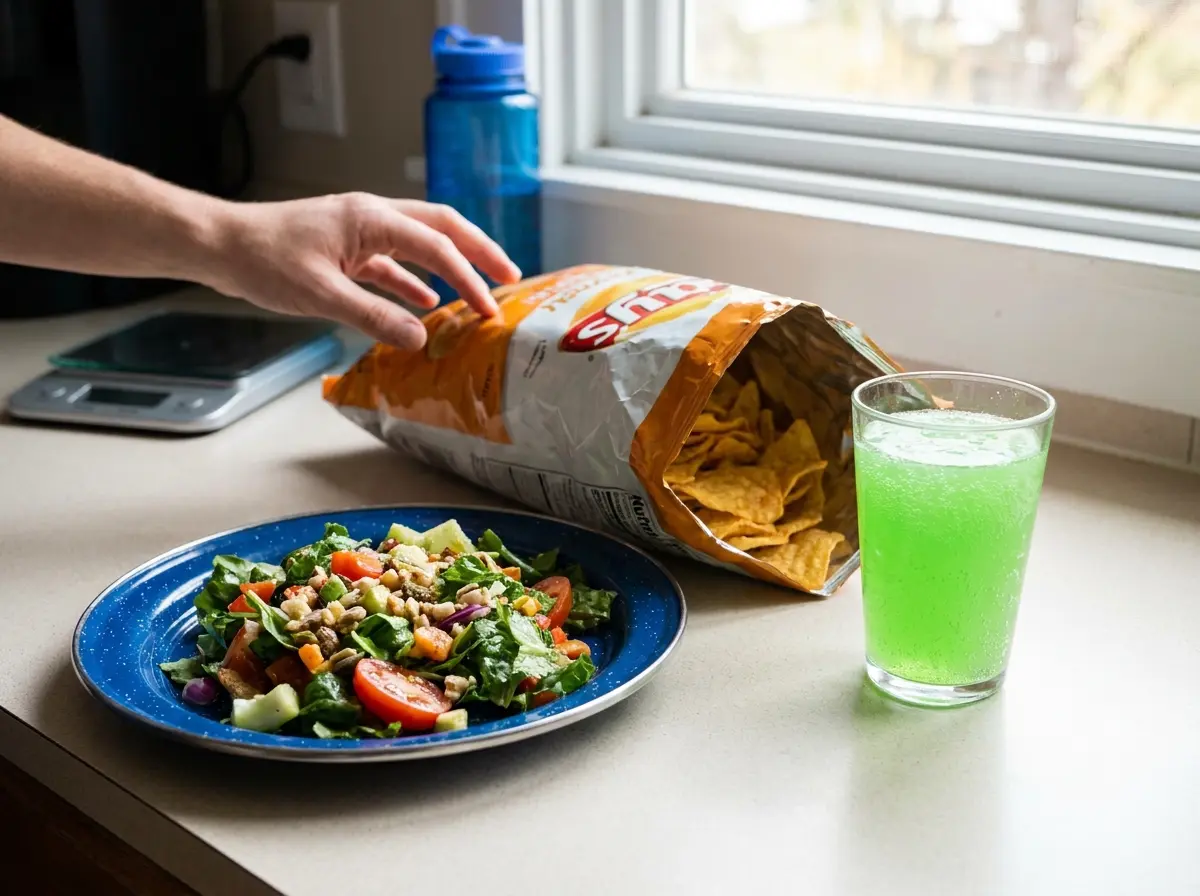
One of the most frequent errors in a smoothie diet is using too much sugar fruit without enough protein to balance it. While fruit is healthy, consuming large amounts of high-sugar varieties can cause insulin spikes that inhibit fat burning and promote storage. You should prioritize low-sugar fruits like berries or green apples to keep the glycemic load of your beverage manageable and supportive of your goals. Excessive fructose, even from natural sources, can contribute to metabolic sluggishness if not balanced with fiber and protein.
Another common pitfall is using fruit juice or fruit juices as a liquid base instead of water or unsweetened almond milk. These juices add significant calories and sugar without providing the beneficial fiber found in the whole fruit during the blending process. This lack of fiber means the sugar enters your bloodstream rapidly, which is counterproductive for losing weight and maintaining energy. Choosing a low-calorie base like coconut water or unsweetened almond milk can save hundreds of calories per serving.
Many people also treat their smoothies as a side dish rather than a full meal replacement, leading to caloric surplus. If you drink a 500-calorie smoothie alongside a standard breakfast, you are likely exceeding your daily caloric needs for a weight loss plan. Understanding the caloric density of your ingredients is vital for maintaining a consistent weight loss trajectory over several weeks or months. It is essential to account for every tablespoon of nut butter or scoop of protein powder you add to the blender.
Furthermore, adding sweeteners like maple syrup or honey can quickly turn a healthy drink into a calorie-dense dessert. Even natural sweeteners contribute to your total calorie count and can trigger cravings for more sweets later in the afternoon. If you need extra flavor, consider using a splash of vanilla extract or a dash of cinnamon instead of liquid sugars. These calorie-free additions can enhance the taste profile without compromising your efforts toward achieving a calorie deficit.
Essential Components for a Weight Loss Meal Replacement
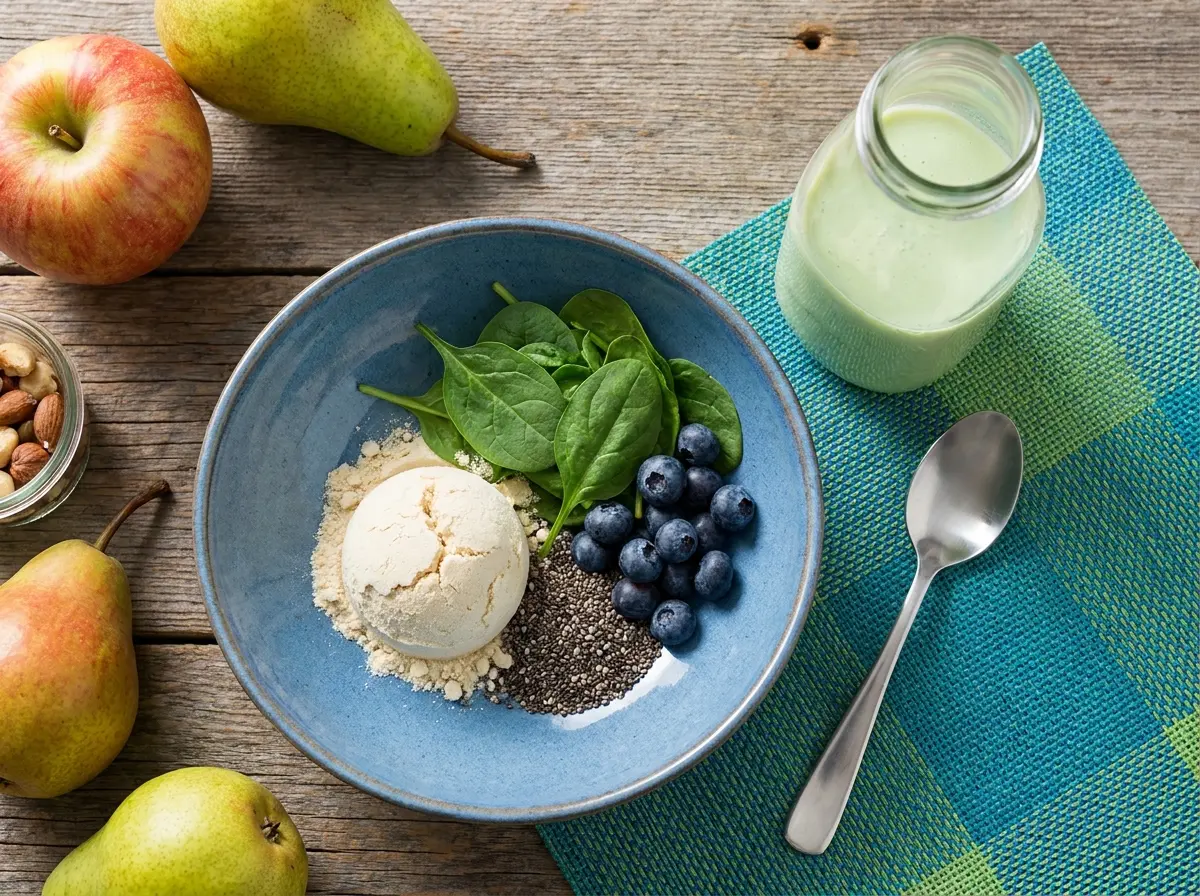
To create an effective meal replacement, you must start with a high-quality protein source to preserve muscle mass during fat loss. Adding a scoop of protein powder or a serving of greek yogurt ensures that your body has the amino acids it needs for repair. High protein intake is essential for boosting metabolism and increasing the thermic effect of food, which helps you burn more calories. Without sufficient protein, you may find yourself losing muscle rather than fat, which can lower your resting metabolic rate.
Fiber is the second critical component for any loss smoothie designed to keep you full until your next scheduled meal. You can easily increase fiber by adding a tablespoon of chia seeds, flaxseeds, or a generous handful of leafy greens like spinach. These additions improve gut health and slow the absorption of nutrients, which helps maintain steady energy levels throughout the day. Fiber also adds bulk to the smoothie, which can help distend the stomach and signal fullness to the brain more effectively.
Healthy fats are also necessary for nutrient absorption and long-term satiety in your daily weight loss smoothie. A small amount of nut butter, such as peanut butter or almond butter, or a slice of avocado can provide these essential fats. Be mindful of portion sizes, as fats are calorically dense and can quickly increase the total energy content of your drink if not measured. However, including them is vital for the absorption of fat-soluble vitamins like A, D, E, and K found in your greens.
Finally, choosing the right liquid base can make or break your nutritional goals for healthy eating and weight management. Using unsweetened almond milk or plain coconut water provides flavor and consistency without the high calorie count of dairy milk. This choice allows you to save calories for more filling ingredients like frozen fruit or additional protein powder that provide more satiety. Water is also an excellent, zero-calorie option that ensures your smoothie remains a tool for losing weight rather than a source of weight gain.
Building the Perfect Weight Loss Smoothie Recipe
When crafting a weight loss smoothie recipe, start with one cup frozen berries to provide antioxidants and essential fiber. Frozen fruit is often better than fresh for texture, giving your drink a thick, satisfying consistency similar to a traditional ice cream milkshake. This thickness encourages slower consumption, which can help your brain register that you are eating a full meal rather than just a drink. Berries are particularly useful because they offer a high volume of food for a relatively low number of calories.
Next, add your liquid base, such as one cup of unsweetened almond milk or plain, unsweetened coconut milk. If you prefer a creamier texture, adding a few tablespoons of greek yogurt can provide a probiotic boost and extra creaminess. This combination creates a smooth foundation that masks the taste of any added vegetables or nutritional supplements you might include in the mix. The goal is to create a balanced smoothie that tastes indulgent while remaining strictly within your nutritional parameters.
For the protein element, incorporate a serving of your favorite protein powder to support weight maintenance and muscle preservation. If you prefer whole food sources, greek yogurt or silken tofu are excellent alternatives that provide a rich, velvety mouthfeel and high protein content. Ensuring you have enough protein is the most important step in making your smoothie a true meal replacement that prevents hunger. A high-protein start to the day has been shown to reduce cravings for high-fat and high-sugar foods later on.
To finish, add a source of healthy fats like a teaspoon of nut butter or a tablespoon of chia seeds for texture. If you want a chocolate flavor without the calories of ice cream, try adding a teaspoon of unsweetened cocoa powder to the blender. Blend everything on high until completely smooth, and enjoy your nutrient-dense creation as part of your structured meal plans for the week. Experimenting with different spices like ginger or turmeric can also add flavor and potential anti-inflammatory benefits to your routine.
Best Ingredients to Maximize Weight Loss Results
A vibrant green smoothie is one of the best ways to increase your intake of leafy greens like spinach, kale, or swiss chard. These vegetables are incredibly low in calories but high in essential vitamins and minerals that support weight loss and overall vitality. They also provide bulk to your drink, making it feel more substantial without significantly increasing the calorie count of your meal replacement. Most people find that the flavor of spinach is easily masked by fruit, making it an ideal “hidden” vegetable.
Berries are the gold standard for fruit in any weight loss smoothie because they are relatively low in sugar compared to tropical fruits. Blueberries, strawberries, and raspberries provide a wealth of fiber and phytonutrients that promote overall metabolic health and reduce inflammation. Using a cup frozen berries also helps keep your drink cold and refreshing without needing to add extra ice, which can sometimes dilute the flavor. These fruits provide the sweetness you crave while keeping your blood sugar levels in a healthy range.
Adding seeds like flax or chia seeds can significantly enhance the nutritional profile of your various smoothie recipes. These seeds are rich in omega-3 fatty acids and soluble fiber, which are known to support heart health and long-term satiety. They expand in the stomach, creating a feeling of fullness that can prevent overeating during your next meal or snack time. Just a small amount can transform the texture of your drink, making it feel more like a substantial meal than a simple beverage.
For those who need a caffeine boost, adding chilled green tea or matcha can provide a slight metabolic advantage to your morning. Green tea contains catechins that may help the body burn fat more efficiently during exercise and rest, which can support weight loss efforts. This simple swap for your liquid base can add a unique flavor profile while providing additional health benefits and antioxidants. It is a much better alternative than using sugary coffee creamers or fruit juices as a base for your blended drinks.
Integrating a Weight Loss Smoothie Into Your Daily Routine
Consistency is key when integrating a weight loss smoothie into your daily routine for long-term, sustainable results. Many people find that replacing breakfast with a high-protein blended drink helps them stay on track with their calorie deficit throughout the day. This habit simplifies your morning and ensures you start the day with a significant dose of essential nutrients and hydration. By removing the decision-making process from your morning, you reduce the risk of making poor food choices when you are in a rush.
You can also use these drinks as a post-workout recovery tool to replenish energy and repair muscle tissue after a session. The combination of protein powder and fast-acting carbohydrates from frozen fruit helps your body recover more quickly from intense exercise. This strategic timing ensures that the calories you consume are used for recovery and glycogen replenishment rather than being stored as body fat. A well-timed weight loss smoothie can be the difference between feeling exhausted or energized after your workout.
Preparation is the best way to avoid the temptation of fast food when you are in a hurry or feeling tired. You can prep “smoothie packs” by portioning out your frozen fruit, seeds, and greens into individual bags in the freezer for the week. In the morning, simply dump the pack into the blender, add your protein powder and liquid base, and blend for a fast, healthy meal. This level of organization is a hallmark of a successful weight loss plan and helps you maintain a healthy lifestyle even during busy periods.
Frequently Asked Questions About Weight Loss Smoothies
In this frequently asked questions section, we address the most common concerns regarding blended nutrition and long-term weight management. Many people ask if they can use smoothies to lose weight quickly through a liquid-only diet or “cleanse.” While a short-term smoothie diet might produce rapid results, it is rarely sustainable and can lead to nutrient deficiencies if not carefully planned. It is much better to use smoothies as a supplement to a diet rich in whole, solid foods.
Another frequently asked question involves the use of dairy versus plant-based milks in weight loss smoothie recipes. While dairy milk provides calcium and protein, many people prefer almond milk or coconut milk to reduce their total daily calorie intake. Both options can work effectively, provided you choose the unsweetened versions to avoid hidden sugars that hinder your progress toward losing weight. If you choose plant-based milk, ensure it is fortified with vitamin D and calcium to match the profile of dairy milk.
People also often wonder if they should add ice to their drinks to make them more filling and voluminous. While ice adds volume, it does not provide any nutritional value or long-term satiety compared to fiber-rich ingredients like frozen berries. Using frozen fruit instead of ice is a better way to achieve a thick consistency while adding vitamins, minerals, and essential fiber. Additionally, very cold drinks can sometimes cause digestive discomfort for certain individuals, so find the temperature that works best for your body.
Can I make my smoothie the night before? This is a common query for those with busy schedules. While you can blend a smoothie ahead of time, some nutrients may degrade slightly, and the texture may change as the fiber absorbs the liquid. If you must make it in advance, store it in an airtight container and give it a vigorous shake before consuming. Adding a squeeze of lemon juice can also help preserve the color and freshness of green smoothies that contain apples or bananas.
Maximizing Long-Term Weight Loss Success
To achieve lasting results, you must view your weight loss smoothie as just one part of a comprehensive healthy lifestyle. Focusing on whole foods, regular physical activity, and adequate sleep is essential for maintaining a healthy weight over the long term. Smoothies are a powerful tool to help you reach your goals, but they are not a magic solution that replaces the need for good habits. They should be used to enhance your nutrition, not as a way to bypass the fundamentals of healthy eating.
Monitoring your progress and adjusting your ingredients based on your results is a smart way to support weight loss effectively. If you find you are not losing weight as expected, try reducing the amount of fruit or nut butter in your recipes to lower the calorie count. Small adjustments, such as swapping peanut butter for a lower-calorie alternative, can make a big difference in your total daily calorie intake. Keeping a food journal can help you identify which smoothie combinations keep you the most satisfied throughout the day.
Finally, remember that variety is important for both nutrition and enjoyment in your healthy eating journey. Experiment with different smoothie recipes, including various greens, seeds, and protein sources, to keep your palate interested and ensure you get a wide range of nutrients. By staying flexible, informed, and consistent, you can make smoothies a delicious and effective part of your long-term weight loss strategy. Success comes from the cumulative effect of small, healthy choices made every single day.
