Are you ready to stop wasting time on ineffective workouts? Many people struggle with finding the absolute best exercises for fat loss to drop excess body fat safely and effectively. You might spend countless hours running on the treadmill without ever seeing the results you want in the mirror, but integrating movement into your daily routine changes everything.
The truth is that a strategic combination of specific resistance movements creates the absolute fastest path to success. We will closely examine the most effective methods to achieve meaningful fat loss without living inside the gym. Implementing these proven strategies transforms your physical appearance completely while improving your overall health markers and metabolic efficiency.
To succeed at losing weight successfully, you really need to understand how your body uses energy throughout the entire day. Your body requires a very specific amount of energy just to maintain basic biological functions like breathing and circulation. When you consume fewer calories than this baseline plus your daily movement, your body finally burns stored fat for fuel. Maintaining a healthy weight requires a delicate balance between energy intake and the energy expended through various physical activities.
Any physical activity increases your total daily energy expenditure and creates a much larger caloric deficit for weight loss. However, not all movements produce the exact same results for changing your overall body composition over time. The specific type of exercise routine you choose dictates whether you lose fat or simply lose overall mass, including muscle. Understanding the metabolic cost of different activities allows you to prioritize the most efficient methods for reaching your goals.
Research from the American College of Sports Medicine provides clear physical activity guidelines for optimal health and weight management. These activity guidelines recommend accumulating at least 150 minutes of moderate-intensity movement every single week to maintain health. Meeting these baseline targets creates a strong foundation for a healthy lifestyle and highly sustainable results for anyone looking to transform. Consistent adherence to these principles ensures that your body remains in a fat-burning state while preserving vital lean tissue.
Your body is an incredibly smart biological machine that adapts to the physical demands you place upon it daily. If you restrict your calories too aggressively, your metabolism dramatically slows down to conserve its remaining energy stores. This evolutionary survival mechanism explains why many extreme dieters eventually hit a frustrating plateau in their progress and struggle. To avoid this, you must focus on high-quality movements that signal to your body that muscle is necessary for survival.
- Fat loss requires a consistent caloric deficit sustained over a long period.
- Different exercises produce vastly different physical effects on your overall body composition.
- Meeting baseline activity guidelines strongly supports your long-term metabolic health.
Why You Need Strength Training for Weight Loss

Most traditional weight loss programs focus entirely on cardio, completely ignoring the incredible benefits of lifting weights. Integrating strength training into your schedule changes how your metabolism functions long after you finish exercising in the gym. Lifting heavy objects creates microscopic tears in your muscle fibers that require significant energy to repair and rebuild. This exercise helps you maintain a higher metabolic rate even when you are not actively moving or training.
As you recover from these intense sessions, your body continues burning calories at a highly elevated rate for hours. This elevated metabolic state means you burn calories even while sitting at your desk or sleeping soundly at night. Regular resistance training builds the necessary foundation for long-term success and a truly sustainable weight for any individual. When you build muscle, you are essentially upgrading your body’s internal engine to be more efficient at processing energy.
You must focus on progressive overload to build muscle and significantly increase your resting metabolic rate over several months. Adding more weight or performing additional reps forces your body to adapt and grow much stronger than before. This newly acquired muscle mass acts like a metabolic furnace that burns extra energy around the clock without extra effort. Furthermore, having more muscle tissue improves insulin sensitivity, which makes it much easier for your body to manage blood sugar.
Beyond aesthetic changes, consistent strength training helps preserve your overall skeletal health and critical joint stability as you age. According to the Mayo Clinic, lifting heavy weights strongly protects your bone density as you age gracefully and stay active. Stronger muscles absorb much more impact during daily activities, which protects your fragile joints from unnecessary wear and potential injury. This functional strength translates directly into a higher quality of life and greater independence during your later years.
Always consume adequate protein after your resistance workouts to optimally support your muscle recovery. Your body desperately needs these building blocks to repair the tissue damaged during heavy lifting sessions and ensure growth.
Effective Training Exercises: Master the Best Compound Movements
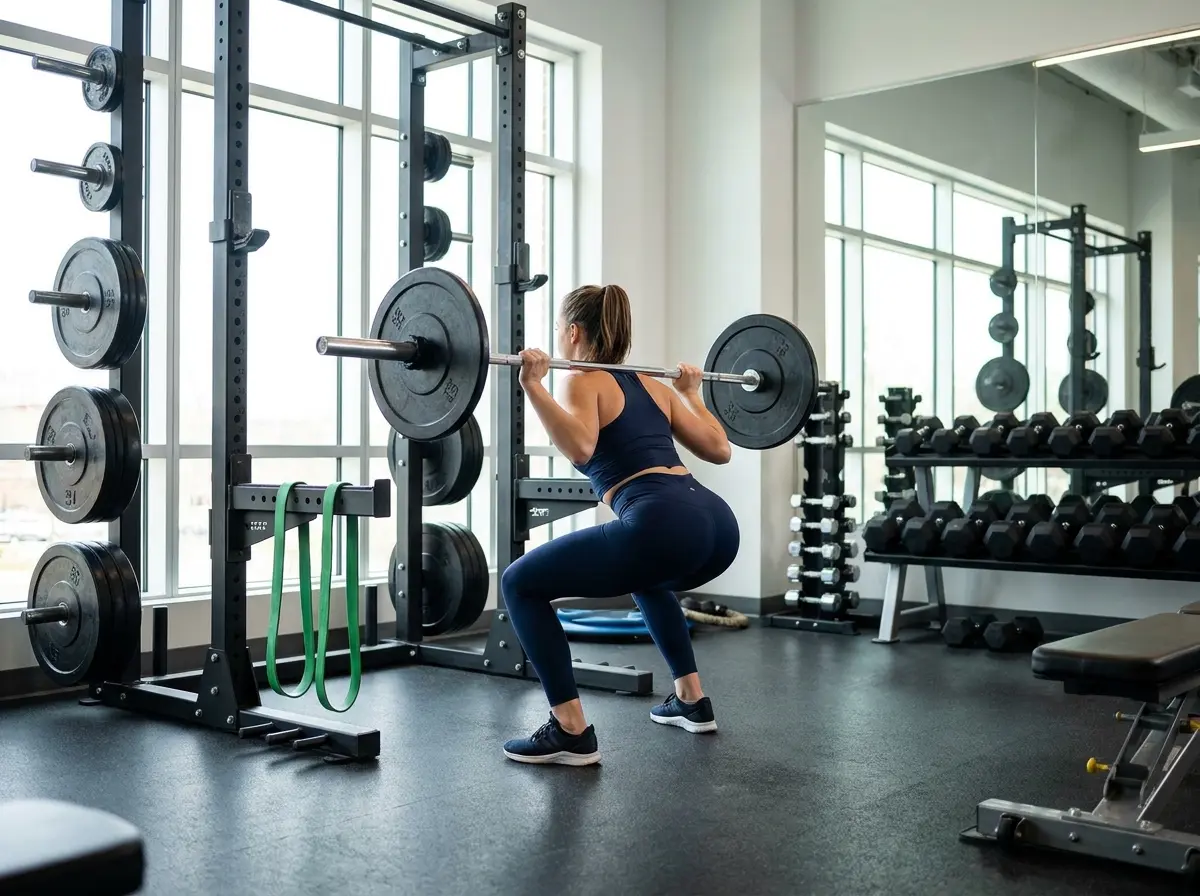
Isolation movements like bicep curls have their place, but they certainly do not maximize your limited time for training. You should prioritize compound training exercises that require intense effort from several joints at the exact same time for maximum efficiency. These specific movements work multiple muscle groups simultaneously, forcing your cardiovascular system to work much harder to provide oxygen. This increased demand ensures that your calories burn at a much higher rate than during simple, single-joint isolation exercises.
Because they work multiple muscle regions at once, these heavy lifts demand massive amounts of stored energy from your body. The sheer physical effort required to stabilize your body during these movements maximizes the total calories burned during the session. You effectively train your upper body, core, and legs in a fraction of the normal time required for machines. This efficiency makes compound lifting the cornerstone of any successful program designed for rapid and lasting physical transformation.
Squats, deadlifts, and overhead presses represent the absolute best exercises for fat loss for completely changing your physique and strength. These foundational movements activate major muscle groups and trigger a highly significant hormonal response for muscular growth and repair. You can perform these major muscle exercises using heavy barbells, dumbbells, or simply your own body weight, depending on the equipment. Consistency with these lifts ensures that you are targeting the largest muscle masses in your body for maximum impact.
Most people mistakenly think they need endless crunches to build a highly visible, strong abdominal midsection and core. However, heavy structural lifts require massive core stabilization just to keep your spine in proper mechanical alignment during the movement. You engage your abdominal wall intensely during a heavy squat or deadlift without ever lying down on a mat. This functional core strength is far more useful for daily life and athletic performance than isolated abdominal work.
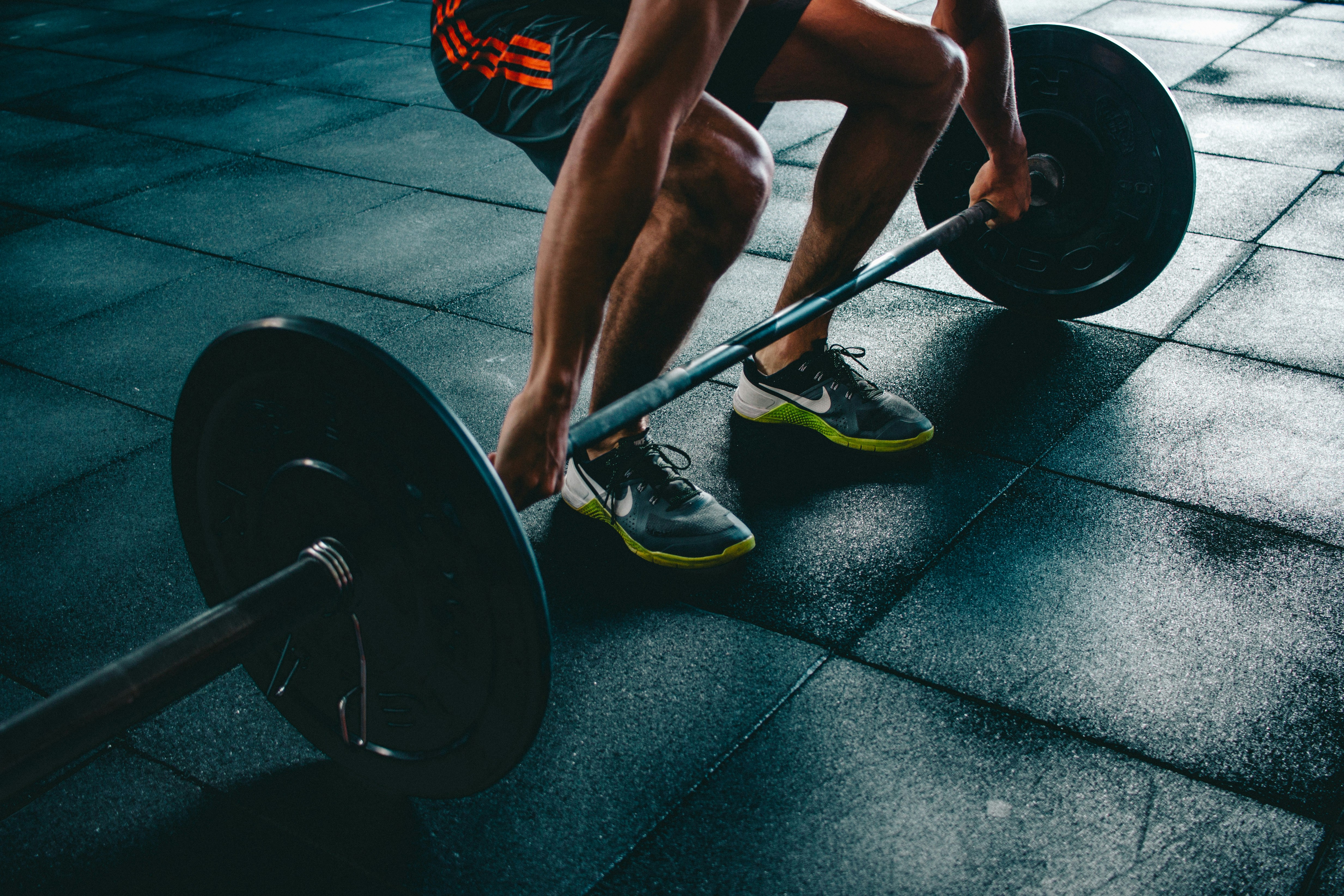
How to Perform a Perfect Goblet Squat
Position Your Stance
Stand tall with your feet hip-width apart and keep your toes pointed slightly outward for better balance.
Brace Your Core
Hold a moderately heavy dumbbell vertically against your chest and tightly squeeze your abdominal muscles.
Lower and Drive
Drop your hips backward and down smoothly, then push aggressively through your heels to stand back up.
Strategic Cardiovascular Conditioning and Weight Loss
While lifting heavy weights builds muscle, targeted aerobic exercise powerfully accelerates your overall rate of weight loss. Adding high-intensity interval training to your weekly schedule forces your heart rate very near its maximum biological limit. This specific type of intense aerobic exercise burns a truly massive amount of energy in very short periods compared to jogging. You will find that intense aerobic training sessions are more time-efficient for busy professionals who need results quickly.
You alternate between brief periods of all-out effort and longer recovery windows to keep your heart guessing and adapting. A well-designed high-intensity interval session might only last twenty minutes but provides hours of residual metabolic benefits for the user. You can easily use a stationary bike, sprint on a track, or vigorously utilize a rowing machine to achieve these goals. Adjusting the work-to-rest ratio allows you to tailor the workout to your current fitness levels and experience.
You should absolutely incorporate steady cardio to build your aerobic base and heavily improve your recovery capacity between lifting sessions. Taking a brisk walking session for forty-five minutes provides excellent health benefits without unnecessarily stressing your joints or nervous system. This specific type of moderate-intensity movement helps reduce fat without interfering with your recovery from heavy resistance training. Low-intensity steady state (LISS) cardio is particularly effective for active recovery on your scheduled rest days.
Sports scientists refer to the famous afterburn effect as excess post-exercise oxygen consumption, or EPOC for short, which is highly beneficial. This biological phenomenon occurs because your body requires extra oxygen to return to its normal resting state after intense work. The higher your heart rate spikes during intense training, the longer your metabolism remains elevated long afterward in the day. This means you are essentially burning fat while you recover and go about your normal daily activities.
How to Lose Weight Through Non-Exercise Activity Thermogenesis (NEAT)
Many people overlook the importance of non-exercise activity thermogenesis, commonly referred to as NEAT, when trying to lose weight. NEAT includes all the energy expended for everything we do that is not sleeping, eating, or sports-like exercise. This includes walking to the store, typing on a keyboard, performing yard work, or even just fidgeting while sitting. Increasing your NEAT can significantly boost your total daily energy expenditure without adding the stress of a formal workout.
Simple changes to your daily habits can lead to a substantial increase in the number of calories you burn naturally. Choosing to take the stairs instead of the elevator or parking further away from the entrance are classic but effective strategies. Over the course of a week, these small movements add up to thousands of extra calories burned without much effort. If you want to lose weight faster, focus on being less sedentary throughout your entire sixteen hours of wakefulness.
Standing desks have become popular for a reason, as they encourage more micro-movements than traditional seated desk setups. Research suggests that standing can burn significantly more calories per hour than sitting, which compounds over a long work week. Additionally, taking short five-minute walking breaks every hour can improve circulation and keep your metabolic rate from dipping too low. These habits are essential for maintaining long-term health and preventing the negative effects of a sedentary lifestyle.
The Role of Nutrition in Exercise Efficiency
Achieving a leaner physique requires more than just hard work in the gym; it demands a disciplined approach to nutrition. Your body requires specific macronutrients to repair the muscle fibers that are broken down during intense resistance training sessions. Prioritizing lean proteins, healthy fats, and complex carbohydrates ensures that you have the energy required for peak performance. Furthermore, staying hydrated throughout the day supports metabolic processes and helps your body efficiently transport nutrients to your muscles.
Many people find that meal prepping on weekends helps them avoid the temptation of convenient but unhealthy processed food options. Consuming whole foods rather than liquid calories keeps you feeling fuller for longer periods, which naturally reduces your total caloric intake. You should aim to eat a balanced meal containing protein and fiber within two hours of completing your workout. This nutritional timing helps kickstart the recovery process and ensures that your body remains in an anabolic, muscle-building state.
Common Mistakes in Fat Loss Workouts
One of the most frequent errors individuals make is relying solely on cardiovascular exercise while completely ignoring resistance work. While cardio burns calories during the activity, it does little to increase your resting metabolic rate over the long term. Another common pitfall is failing to adjust your caloric intake as your body weight decreases and your metabolism adapts. Consistency is often sacrificed for intensity, leading to burnout or injuries that sideline your progress for weeks at a time.
Neglecting the importance of sleep can lead to hormonal imbalances that make it significantly harder to lose stubborn body fat. When you are sleep-deprived, your body produces more ghrelin, the hormone responsible for hunger, and less leptin, which signals fullness. This hormonal shift often leads to overeating and poor food choices that can quickly derail even the best exercise plan. Ensure you are giving your body the rest it needs to recover from the physical stress of your workouts.
Strength Training Exercises: Building Your Weekly Workout Plan
Creating a balanced schedule is the key to seeing consistent progress without burning out or sustaining an avoidable injury. A successful plan should include three days of strength training focused on compound movements to build and preserve muscle. You should incorporate specific strength training exercises like lunges, rows, and presses to ensure all major muscle groups are targeted. On the intervening days, you can perform light aerobic exercise or high-intensity intervals depending on your energy levels.
Consistency is far more important than intensity when you are first starting a new fitness journey or transformation. It is better to perform three moderate workouts every week than to do five intense ones and quit after a month. Listen to your body’s signals and adjust your volume if you feel excessively fatigued or start experiencing persistent joint pain. According to the Centers for Disease Control and Prevention, regular physical activity is one of the most important things you can do for your health. Proper planning ensures that you stay on track even when your motivation begins to wane over time.
Maximizing the Body Burn Effect
To get the most out of your efforts, you must pay close attention to your nutrition and hydration levels daily. No amount of exercise can completely overcome a poor diet that is consistently high in processed sugars and unhealthy fats. Focus on consuming whole, nutrient-dense foods that provide the vitamins and minerals your body needs to function at its peak. Protein intake is especially critical for those who want to build muscle while simultaneously losing body fat.
Regularly engaging in strength training ensures that your body prioritizes burning fat rather than breaking down precious muscle tissue for energy. Research from Harvard Health suggests that increasing muscle mass can significantly boost your basal metabolic rate. This means you will naturally burn more calories throughout the day, even when you are not actively exercising. Combining resistance work with a slight caloric deficit is the most effective way to achieve a lean, toned physique.
Sleep is another often-ignored factor that plays a massive role in your ability to recover and lose fat effectively. Lack of sleep increases cortisol levels, which can lead to increased fat storage, particularly around the abdominal area. According to the National Institutes of Health, poor sleep quality is closely linked to weight gain and metabolic disturbances. Aim for seven to nine hours of high-quality sleep each night to ensure your hormones remain balanced and healthy.
Tracking Progress Beyond the Scale
Relying exclusively on the bathroom scale can be incredibly misleading because it does not distinguish between fat loss and muscle gain. As you begin a new routine, your body may retain water or build muscle, causing the scale to stay the same. Taking regular body measurements and progress photos provides a much more comprehensive view of how your body is actually changing. These visual and physical markers often provide the motivation needed to continue when the scale remains frustratingly stagnant.
You should also track your performance in the gym, such as the amount of weight lifted or your total repetitions. These tangible improvements in strength and endurance serve as powerful indicators that your body is becoming more efficient and capable. Celebrate when you can perform an extra set or when a previously difficult weight starts to feel manageable and light. Focusing on performance goals helps shift your mindset away from purely aesthetic changes and toward functional health and vitality.
Before starting any new high-intensity exercise program, consult with a healthcare professional to ensure it is safe for your specific health profile. Always prioritize proper form over the amount of weight lifted to prevent long-term injuries.
Achieving Sustainable Weight Loss
Sustainable weight loss is a marathon, not a sprint, and requires a long-term shift in your mindset and daily habits. Avoid the temptation of “quick-fix” diets or extreme exercise programs that promise rapid results but are impossible to maintain. Instead, focus on making small, manageable changes that you can stick with for the rest of your life comfortably. This approach ensures that once you reach your goal weight, you have the habits in place to stay there.
Celebrate your non-scale victories, such as having more energy, sleeping better, or noticing your clothes fitting more loosely than before. These markers of progress are often more meaningful than the number on the scale, which can fluctuate for many reasons. By focusing on the best exercises for fat loss and maintaining a consistent routine, you will eventually reach your goals. Stay patient, stay disciplined, and trust the process as your body slowly transforms into a leaner, stronger version of itself.