Most people struggle to maintain consistent exercise regimens or diet plans despite having strong initial motivation. You might start with excellent intentions, but a busy schedule often derails your progress quickly. Learning how to build healthy habits requires a deep understanding of how your brain processes daily life and health goals.
Every single action you take repeatedly will eventually wire itself into your brain through specific, complex neural pathways. This important mechanism relies on a psychological process called habituation, which makes repeated actions require less cognitive effort. A recognized behavior change expert will easily tell you that consistent repetition builds permanent automation over long periods.
The American Psychological Association notes that establishing positive routines significantly reduces your overall mental fatigue daily. You can apply these scientific principles to completely rewire how you respond to different environmental triggers. Understanding the basic psychology of action is the first step to transforming your daily reality permanently.
Have you ever wondered why driving a familiar route requires almost zero active thought from you? Your brain constantly seeks ways to conserve energy by turning repeated sequences into automatic, thoughtless behaviors. You can harness this exact same biological mechanism to establish a powerful daily routine for yourself.
- Neural pathways form through a psychological process called habituation.
- Willpower is a finite resource that drains quickly over time.
- Sustainable systems always outperform temporary bursts of intense motivation.
Why New Year’s Resolutions Usually Fail and Don’t Work
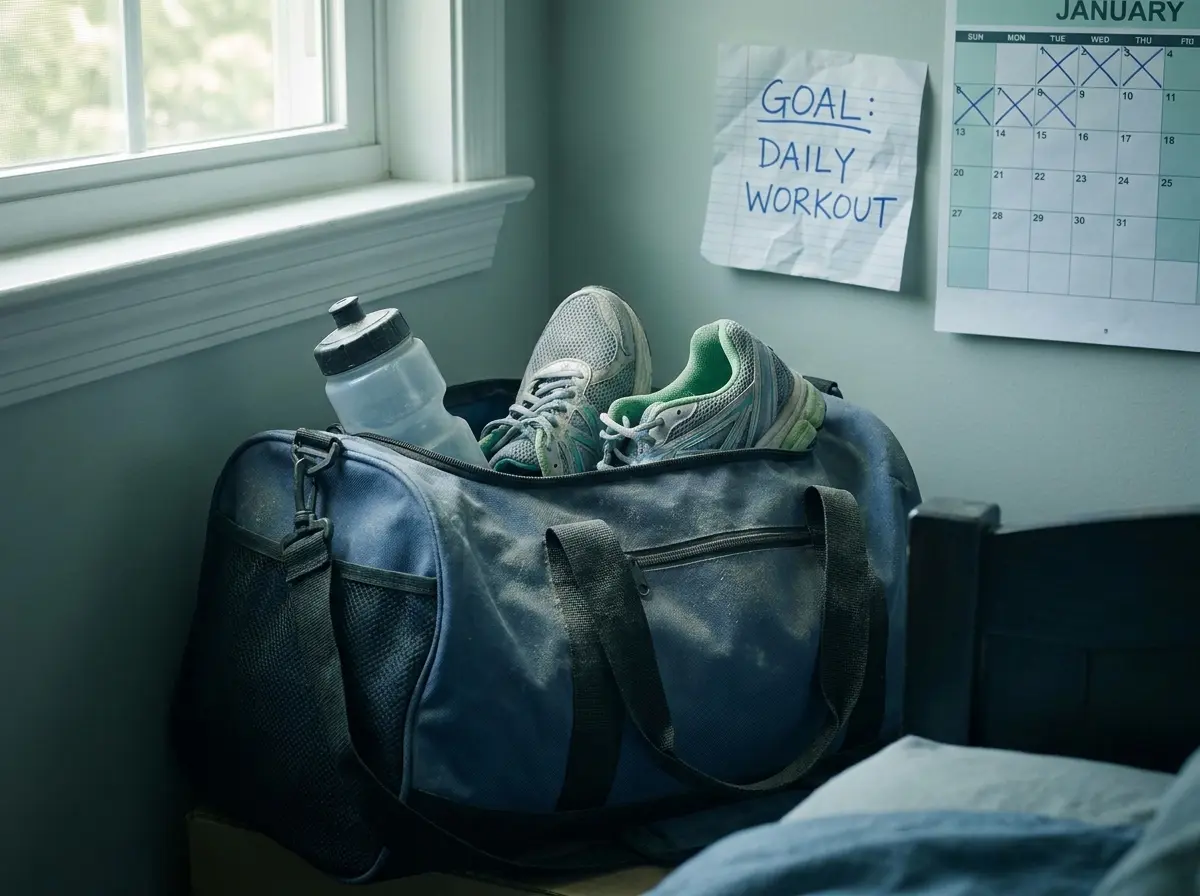
Millions of optimistic people set ambitious health targets every January with absolute confidence in their own future success. Unfortunately, most of this year’s resolutions completely fall apart before the month of February even begins to arrive. These massive goals usually don’t work because they rely entirely on fleeting motivation instead of sustainable daily systems.
People try to change everything simultaneously, which overwhelms their limited willpower and inevitably leads to rapid burnout. You might stick to a rigid diet plan for a couple of weeks before total exhaustion finally sets in. Instead of attempting drastic overnight overhauls, you must focus your attention on making manageable daily decisions.
Shifting Focus to Daily Decisions
Making your new routines and habits easier to execute increases your chances of long-term success quite dramatically. You should remove physical friction from positive actions while adding practical obstacles to your negative behaviors. This simple shift turns exhausting willpower battles into natural, automatic choices throughout your entire working day.
Prepare your environment the night before to reduce morning friction. Laying out your gym clothes eliminates a major decision point right when you wake up.
Step-by-Step Guide on How to Build Healthy Habits

Creating a lasting routine requires a highly structured approach rather than random bursts of intense physical effort. You need a reliable framework to transform a temporary physical action into a permanent lifestyle fixture. The following process outlines exactly how to build a routine that actually lasts for several years.
How to Establish a New Routine
Start Small
Make the habit small enough that you cannot possibly fail to complete it on a daily basis. If you want to exercise, begin with just five minutes of light stretching in your living room.
Anchor to an Existing Routine
Attach your new behavior to something you already do without thinking about it during your day. For example, drink a large glass of water immediately after brushing your teeth every single morning.
Track Your Progress
Keep a visual record of your success to build momentum and stay motivated during difficult weeks. Watching those successful days accumulate helps make those new habits stick permanently in your daily schedule.
Strategies to Break a Bad Habit for Good
Getting rid of negative behaviors is often much more difficult than establishing entirely new positive ones. Learning to break bad habit cycles requires patience and a clear understanding of your personal environmental triggers. Every action provides some type of psychological reward, even if the long-term consequences are physically harmful.
You cannot simply erase a behavior from your brain; you must actively replace it with something better. For instance, people trying to quit smoking often chew gum to satisfy their physical oral fixation. This effective substitution strategy helps you break bad patterns without feeling completely deprived of emotional comfort.
Replacing Negative Actions with Healthy Routines
Many bad habits stem from chronic stress or simple boredom rather than a genuine physical need. If you regularly reach for sugary snacks during afternoon slumps, try taking a brisk walk instead. Swapping junk food for physical movement builds good habits while simultaneously addressing the root emotional cause.
Consistency remains critical during this transition period because your brain strongly prefers familiar, established neural pathways. You will likely experience strong cravings initially, but these urges pass quickly if you stay distracted. Eventually, your new healthy routines will become your default automatic response to those old familiar triggers.
- Identify the emotional or environmental trigger behind your negative behavior.
- Replace harmful actions with positive substitutions rather than relying on deprivation.
- Accept that cravings are temporary and will decrease in intensity over time.
Integrating Physical Activity and Nutrition for a Healthy Lifestyle
Your overall physical well-being depends heavily on the proper combination of regular movement and balanced daily nutrition. According to the Centers for Disease Control and Prevention, consistent physical activity drastically improves human longevity. Exercise strengthens your cardiovascular system, which helps protect you from developing dangerous heart disease later in life.
Nutrition plays an equally vital role, but many people struggle to consistently eat healthy meals at home. If your primary goal is to lose weight, your actual success begins at the local grocery store. You cannot consume unhealthy processed items if you simply refuse to bring them into your personal kitchen.
Making Healthy Choices Feel Automatic
The environment you create dictates the friction level of every single physical decision you make daily. When you prepare nutritious meals on Sundays, making a healthy choice on Tuesday becomes completely effortless. You want to make healthy choices feel like the absolute easiest option available to you at all times.
Avoid adopting extreme crash diets that promise rapid results through severe caloric restriction. These unsustainable methods often lead to metabolic damage and eventual weight regain.
The Connection Between Habits and Mental Health
Physical health and psychological well-being are deeply intertwined through your daily behavioral patterns and personal choices. Establishing a predictable daily schedule is a medically proven way to reduce stress and anxiety significantly. When your body knows what to expect, your nervous system can finally relax and properly recover.
Simple actions like waking up at the exact same time consistently improve your overall mental health. You do not need to be a natural morning person to benefit from a strict sleep schedule. Getting adequate rest helps you feel good and improves your emotional regulation throughout the entire working day.
Using a Patient Portal to Track Progress
Modern healthcare technology offers excellent digital tools for monitoring your physical and mental well-being accurately over time. Logging into your medical provider’s patient portal allows you to track vital statistics and lab results easily. Catching minor health issues early gives you a massive advantage in preventative medical care and treatment.
The good news is that small behavioral adjustments yield measurable improvements in your clinical lab results. Seeing your cholesterol drop or your blood pressure stabilize provides incredible motivation to continue working hard. The American Heart Association notes that following their guidelines for diet and exercise will reflect positively in your medical charts.
Sustaining Your New Healthy Habits Over Time
Building initial momentum is relatively easy compared to maintaining a specific behavior for multiple consecutive years. If you want to sustain your healthy habits, you must adopt a completely new personal identity. You are no longer someone trying to exercise; you are simply an active athlete now.
Author James Clear discusses this powerful identity shift extensively in his bestselling book about atomic behaviors. He explains that your daily routines reflect the specific type of person you truly believe you are. Every positive daily habit acts as a tiny vote for your desired future identity and ideal lifestyle.
Do not let a single missed day derail your entire progress or ruin your positive mindset. Missing one workout does not destroy the habits you’re working so hard to build right now. Just get back on track immediately to keep those positive habits regular and consistently active.
Transforming your lifestyle does not require superhuman willpower, expensive equipment, or massive overnight behavioral changes. You achieve true lasting success by making minor physical adjustments that compound over several months and years. Every single healthy habit you establish today builds a solid foundation for a much stronger future.
Conclusion
Lasting behavior change comes from consistent repetition, manageable daily decisions, and sustainable systems rather than temporary bursts of motivation or willpower. Healthy habits become easier when they start small, connect to existing routines, are tracked over time, and are supported by an environment that reduces friction. Breaking harmful habits requires identifying their emotional or environmental triggers and replacing them with healthier actions while accepting that cravings will decrease with consistency.
A healthy lifestyle depends on combining regular physical activity, balanced nutrition, predictable routines, and adequate rest to support physical and mental well-being. Sustaining these habits requires viewing them as part of your identity, recovering quickly after missed days, and allowing small adjustments to build over time. By making healthy choices easier and repeating them consistently, you can create automatic routines that establish a stronger foundation for the future.