
How do you maintain a calorie deficit without feeling constantly deprived? Managing weight often requires a careful balance between caloric intake and physical activity. Discovering satisfying low calorie meal ideas and effective weight loss recipes provides a practical path to maintain your energy levels without overconsuming food.
Caloric density refers to the number of calories present in a specific weight or volume of food. Foods with low caloric density allow you to consume larger portions while keeping your overall energy intake moderate. The Centers for Disease Control and Prevention recommends prioritizing water-rich and fiber-rich foods to maximize satiety.
Volume eating represents a dietary strategy based entirely on this mathematical concept of low caloric density. Individuals who practice volume eating focus on incorporating massive amounts of vegetables, fruits, and broth-based soups into their diets. This approach physically fills the stomach, triggering stretch receptors that signal fullness directly to the brain, which is a cornerstone of healthy low calorie meals.
Protein also plays a critical role in managing hunger during a sustained calorie deficit. High-protein foods take longer to digest and positively influence appetite-regulating hormones like ghrelin and peptide YY. Combining lean proteins with high-volume vegetables creates the structural foundation for highly effective low calorie meal ideas and sustainable weight loss recipes.
- Caloric density determines how much food volume you can consume for a specific calorie amount.
- Volume eating utilizes water-rich and fiber-rich foods to physically trigger stomach stretch receptors.
- Combining lean protein with high-volume vegetables creates highly satiating meals that prevent hunger.
Low Calorie Breakfast: High-Volume Morning Nutrition and Weight Loss Recipes
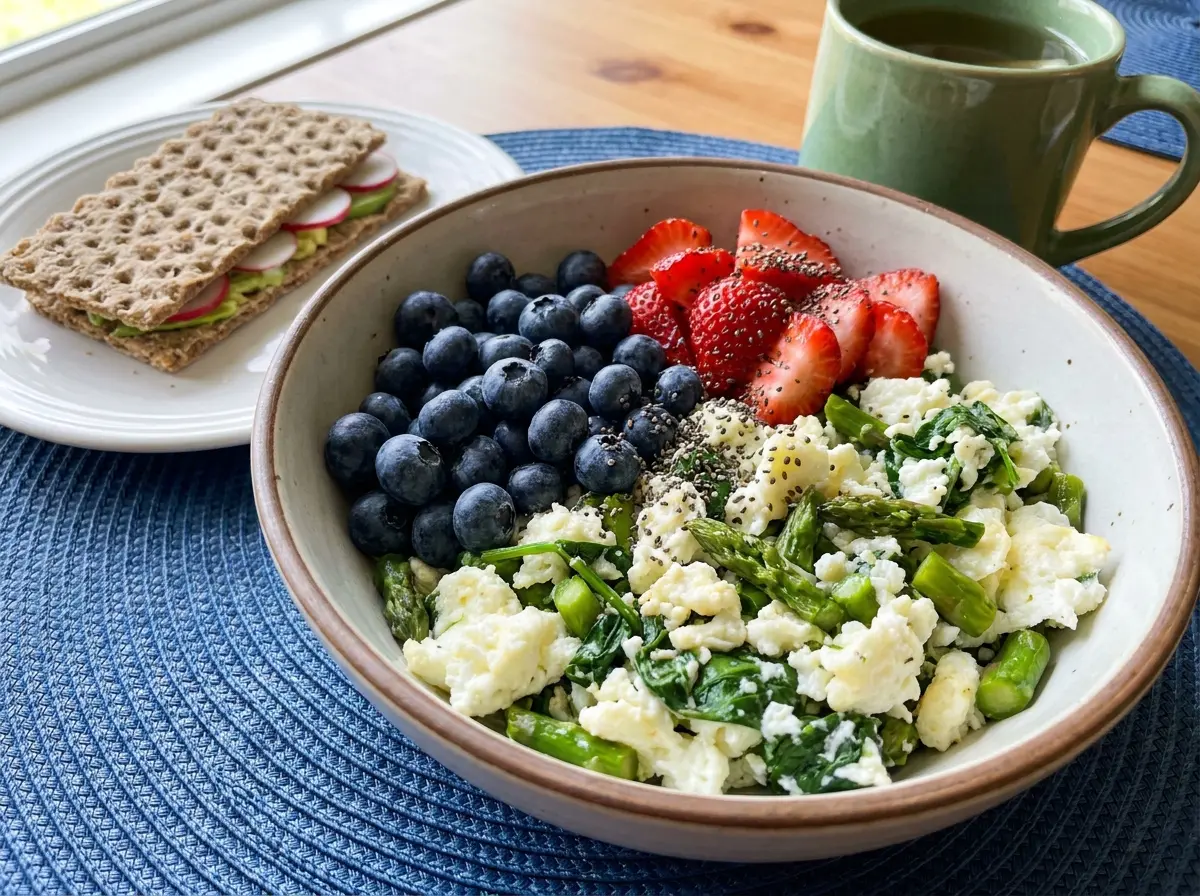
Breakfast sets the metabolic tone for the entire day and heavily influences subsequent hunger patterns. Many traditional breakfast foods contain heavy concentrations of refined carbohydrates and hidden processed sugars. Constructing a morning meal around lean protein prevents mid-morning energy crashes and reduces overall cravings, making it a staple of healthy low calorie meals.
Protein-Rich Low Calorie Meal Ideas: Egg White and Spinach Scrambles
Egg whites offer an exceptional protein-to-calorie ratio, providing pure protein without the fat found in yolks. A scramble made with one whole egg and three egg whites delivers substantial volume for roughly 120 calories. Adding two cups of fresh spinach increases the physical size of the meal while adding negligible energy.
Nutrient-Dense Low Calorie Meal Ideas: Protein-Packed Greek Yogurt Bowls
Plain, non-fat Greek yogurt serves as an excellent canvas for a nutrient-dense morning meal. One cup of this dairy staple contains approximately 100 calories and an impressive 23 grams of protein. Top the yogurt with half a cup of fresh raspberries for added fiber and natural sweetness.
Always weigh your ingredients using a digital food scale rather than relying on measuring cups. Volumetric measurements often lead to severe calorie underestimations, particularly with calorie-dense foods like nut butters and cooking oils.
Low Calorie Lunch: Satisfying Midday Meals and Healthy Low Calorie Meals Under 400 Calories
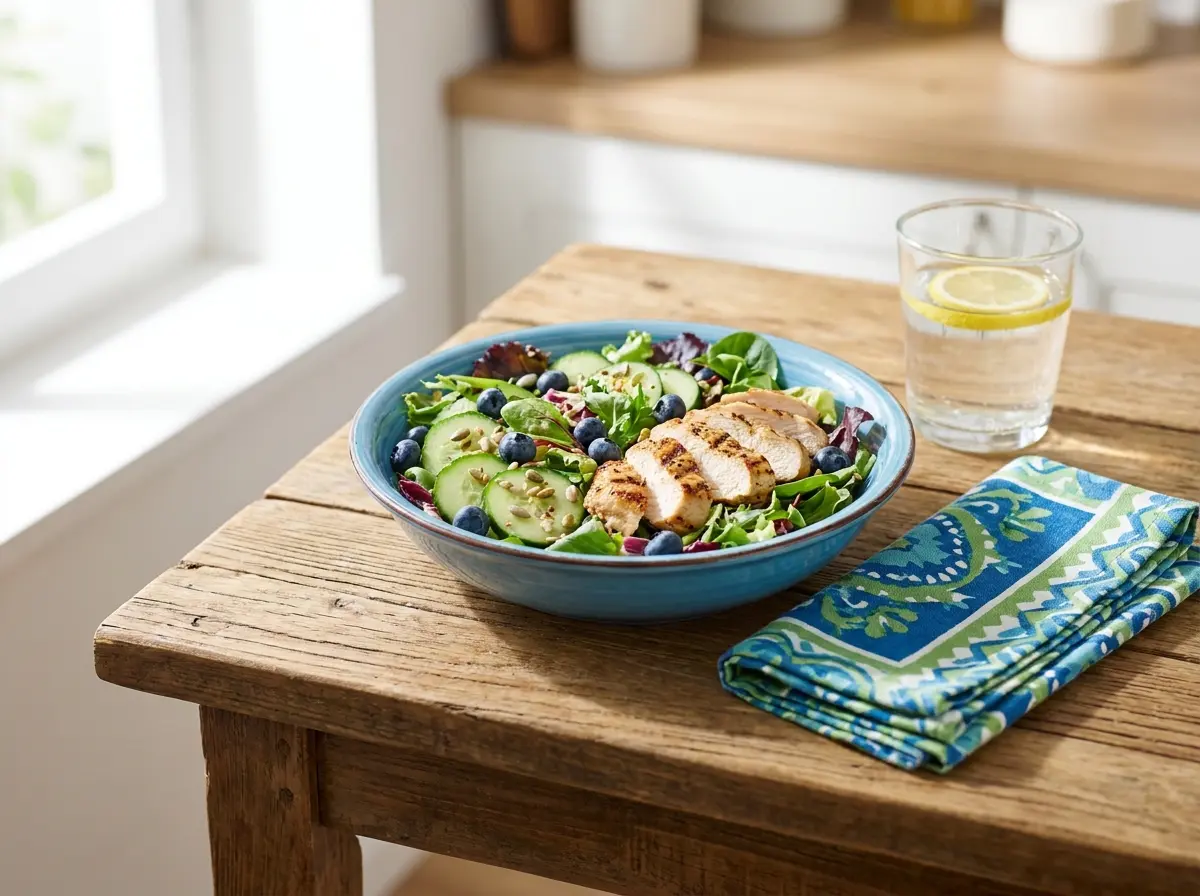
Midday meals must provide enough sustained energy to fuel afternoon productivity without causing sudden sluggishness. Heavy lunches often redirect blood flow to the digestive system, resulting in the notorious afternoon slump. Strategic low calorie meal ideas keep you alert while successfully maintaining your daily energy deficit through weight loss recipes.
Quick Low Calorie Meal Ideas: Mediterranean Turkey Wraps
Traditional restaurant sandwiches easily exceed 600 calories due to thick breads, mayonnaise, and high-fat cheeses. You can create a superior alternative by using a low-carb tortilla, which typically contains around 50 calories. Fill the wrap with four ounces of sliced turkey breast, hummus, cucumbers, and mixed greens.
Healthy Low Calorie Meals: Zucchini Noodle Bowls with Grilled Chicken
Pasta dishes present a significant challenge for individuals closely monitoring their daily caloric intake. Zucchini noodles provide a comparable texture to traditional spaghetti but contain a fraction of the carbohydrates. According to the USDA FoodData Central database, an entire cup of zucchini noodles contains fewer than 20 calories.
Top these vegetable noodles with four ounces of grilled chicken breast and half a cup of marinara sauce. This specific combination yields a massive bowl of food for approximately 250 total calories. The high water content in the zucchini helps maintain hydration while keeping you completely satisfied.
Low Calorie Dinner Ideas: Lean Proteins, Fibrous Vegetables, and Weight Loss Recipes
Dinner frequently becomes the most calorically dense meal of the day for many American adults. Social conditioning and evening fatigue often lead individuals to overconsume rich, heavy foods during dinner hours. Structuring your dinner around lean proteins and fibrous vegetables actively prevents this common dietary pitfall while providing healthy low calorie meals.
Simple Low Calorie Meal Ideas: Baked Cod with Roasted Asparagus
White fish ranks among the lowest calorie protein sources available in the standard American diet. A six-ounce portion of Atlantic cod delivers roughly 30 grams of protein for merely 140 calories. Roasting the fish alongside a large bunch of asparagus creates an elegant, highly satiating dinner plate.
Plant-Based Low Calorie Meal Ideas: Cauliflower Rice Stir-Fry with Tofu
Traditional fried rice absorbs massive quantities of cooking oil and utilizes dense, starchy carbohydrates. Substituting standard white rice with grated cauliflower eliminates hundreds of calories from the final dish. A cup of cauliflower rice contains 25 calories, allowing you to consume enormous portions without guilt.
Incorporate extra-firm tofu, broccoli florets, and snap peas directly into the cauliflower base. Flavor the dish using low-sodium soy sauce, fresh ginger, and a minimal amount of sesame oil. This plant-based approach demonstrates how low calorie meal ideas can easily satisfy cravings for takeout food.
Restaurant salads frequently contain more calories than a standard cheeseburger due to hidden fats. Creamy dressings, candied nuts, and excessive cheese can quickly turn a healthy vegetable base into a 1,000-calorie meal.
Weight Loss Recipes: How to Build Your Own Low Calorie Meal Ideas
Relying entirely on specific recipes can make long-term weight management feel restrictive and somewhat tedious. Learning the fundamental principles of meal construction empowers you to create your own dishes using available ingredients. This systematic approach simplifies grocery shopping and greatly reduces reliance on expensive meal delivery services while helping you master weight loss recipes.
How to Construct a Balanced Low Calorie Plate
Select a Lean Protein Base
Start every meal by choosing a low-fat protein source like chicken breast, white fish, tofu, or egg whites. Protein provides the necessary foundation for satiety and helps preserve lean muscle mass during a calorie deficit. This fundamental step is essential for creating effective weight loss recipes that keep you full.
Maximize Vegetable Volume
Fill at least half of your plate with non-starchy vegetables such as spinach, broccoli, zucchini, or bell peppers. These ingredients add crucial micronutrients and physical bulk to the meal without significantly increasing the energy total.
Measure Fats Carefully
Add flavor and improve nutrient absorption using strictly measured healthy fats like olive oil, avocado, or nuts. Fats are highly calorically dense, making precise portion control absolutely mandatory for maintaining a low calorie profile.
Healthy Low Calorie Snacks and Smart Snacking: Low Calorie Meal Ideas for Between Meals
Are you struggling with intense cravings between your primary meals? Extended periods between meals often trigger intense hunger that leads to poor dietary choices later. Strategic snacking helps stabilize blood sugar levels and prevents overeating during lunch or dinner, serving as a bridge for low calorie snacks.
A classic example involves pairing one string cheese with a medium crisp apple. This combination provides approximately 150 calories while delivering a satisfying mix of crunch, sweetness, and savory protein. Alternatively, air-popped popcorn offers tremendous volume, yielding three entire cups for just 90 calories.
Cottage cheese serves as another highly effective tool for bridging the gap between main meals. Half a cup of low-fat cottage cheese supplies 14 grams of slow-digesting casein protein. Adding cucumber slices and a dash of black pepper creates a savory snack that keeps hunger suppressed for hours.
- Constructing meals around lean proteins prevents energy crashes and preserves muscle mass.
- Substituting dense carbohydrates with vegetable alternatives drastically reduces overall caloric intake.
- Strategic, protein-focused snacking stabilizes blood sugar and prevents subsequent overeating.
Hydration and Weight Loss: Impact on Hunger Management
The human body frequently misinterprets mild dehydration as hunger, prompting unnecessary calorie consumption throughout the day. Maintaining optimal hydration levels represents a fundamental component of any successful weight management strategy. The National Institutes of Health notes that drinking water before meals can significantly reduce total calorie intake.
Plain water remains the optimal choice, but many individuals struggle with its lack of flavor. Unsweetened herbal teas and sparkling water provide zero-calorie alternatives that satisfy the desire for taste and carbonation. Consuming a large glass of water twenty minutes before eating helps accurately gauge true physical hunger.
Broth-based soups operate on a similar principle by combining necessary hydration with basic nutrition. A simple vegetable bouillon provides intense savory flavor profiles for fewer than 15 calories per serving. Sipping hot broth between meals often eliminates cravings completely without impacting your daily energy allowance.
Meal Prep Strategies for Healthy Low Calorie Meals and Low Calorie Meal Ideas
Preparing food in advance eliminates the daily friction associated with cooking healthy meals from scratch. Decision fatigue often sets in by the evening, making high-calorie convenience foods highly attractive to tired individuals. Having a refrigerator stocked with pre-portioned healthy low calorie meals and weight loss recipes neutralizes this common behavioral trap.
Batch cooking specific ingredients rather than complete meals offers tremendous flexibility throughout the busy work week. Roast a large tray of vegetables, grill several chicken breasts, and prepare a large container of quinoa. You can mix and match these foundational elements to create varied, satisfying meals in minutes.
Proper storage containers play a vital role in maintaining food quality and precise portion control. Glass containers with airtight seals prevent spoilage and do not absorb odors from strong ingredients. Labeling your prepped meals with their respective calorie counts streamlines your daily tracking efforts completely.
Conclusion: Sustaining a Caloric Deficit Safely
Implementing successful low calorie meal ideas requires consistency, preparation, and a fundamental understanding of basic nutrition. You can achieve substantial weight management results without experiencing chronic hunger or extreme physical deprivation. The strategies outlined above provide a highly sustainable framework for long-term health improvements.
Remember that extreme caloric restriction often leads to metabolic adaptation and eventual rapid weight regain. A moderate deficit built upon high-volume, nutrient-dense foods produces the most reliable and lasting outcomes. Focus on consuming meals that nourish your body while naturally aligning with your strict energy requirements.
Cooking at home remains the most effective method for controlling your absolute daily caloric intake. Restaurant meals feature hidden fats and massive portions that easily derail even the most disciplined dietary efforts. By mastering these basic culinary concepts, you take complete control of your personal nutritional journey.
